How to Do Yoko Ukemi: Mastering the Side Breakfall in BJJ
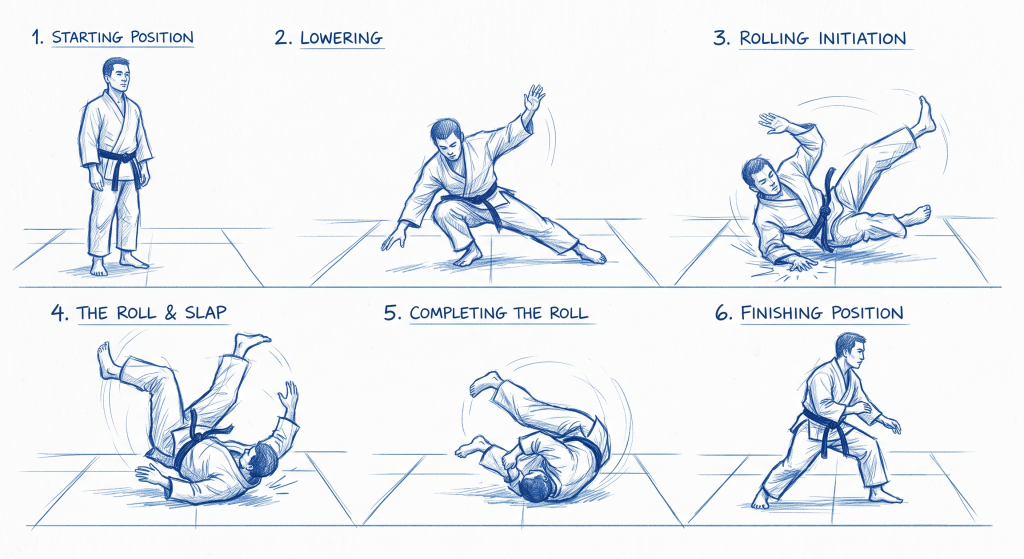
Learning to fall safely is one of the most critical skills in BJJ and other martial arts. Yoko ukemi, or side breakfall, is performed by rolling onto your side while simultaneously striking the mat with your extended arm at a 45-degree angle to dissipate impact energy away from vulnerable areas like your hip and head. This technique protects you during training and helps you develop confidence when executing and receiving throws. For more resources on BJJ techniques and training, visit bolojiujutsu.com.
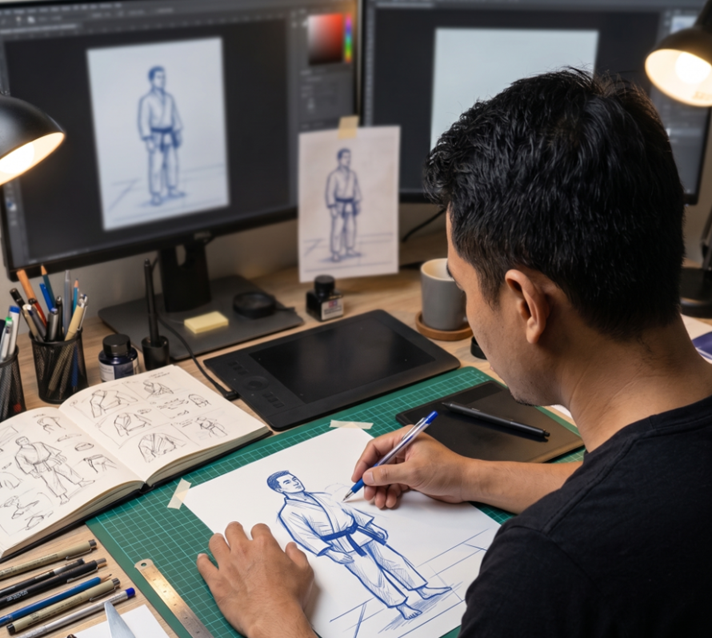
To execute yoko ukemi correctly, you need to distribute the falling energy along the side of your torso while keeping your head tucked and striking the mat with your arm to absorb the impact.
Whether you’re just starting your martial arts journey or looking to refine your falling techniques, understanding the mechanics and common mistakes of side breakfalls will dramatically improve your practice. This guide breaks down the essential components of yoko ukemi and shows you how to develop this skill on both sides of your body.
Fundamentals of Yoko Ukemi and Related Breakfalls
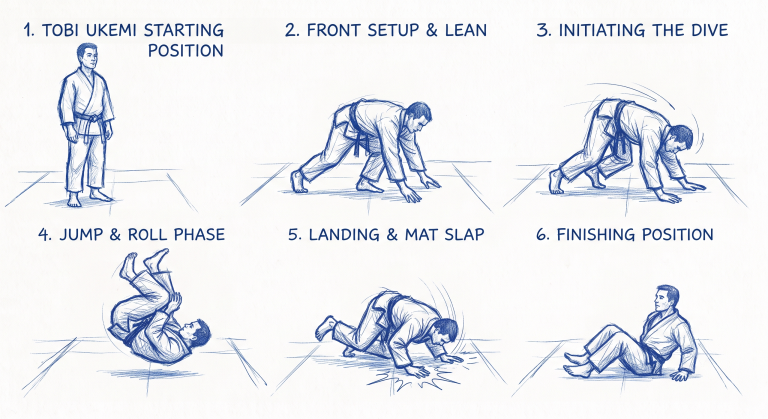
Learning proper breakfall techniques protects you from injury during throws and unexpected falls. The three primary breakfalls—side, back, and front—each address specific falling directions with distinct body mechanics and timing.
Understanding Ukemi and Its Purpose
Ukemi translates to “receiving body” and represents the art of falling safely in martial arts training. The primary purpose is injury prevention during practice and real-world situations.
Breakfall techniques are essential not only for receiving throws but also for self-defense scenarios where you might be pushed or knocked down. Without proper ukemi skills, you risk serious head injuries, broken bones, and concussions.
Yoko Ukemi: Key Movements and Common Errors
Yoko ukemi, or side breakfall, protects you when falling sideways. The technique requires several coordinated movements executed in rapid sequence.
Critical components include:
- Head turned away from impact side to prevent contact with the ground
- Slapping arm extended at 45 degrees from your body
- Palm facing down and slightly cupped for proper impact distribution
- Body forming a slight C-shape during descent
- Sharp exhalation at impact to tense your core
Common mistakes include landing on your elbow instead of the full arm, allowing head contact with the ground, and maintaining a rigid body position. You should never slap too hard, as this can injure your hand without improving the breakfall’s effectiveness. Another frequent error is holding your breath, which increases tension and injury risk.
Comparison With Back and Front Breakfalls
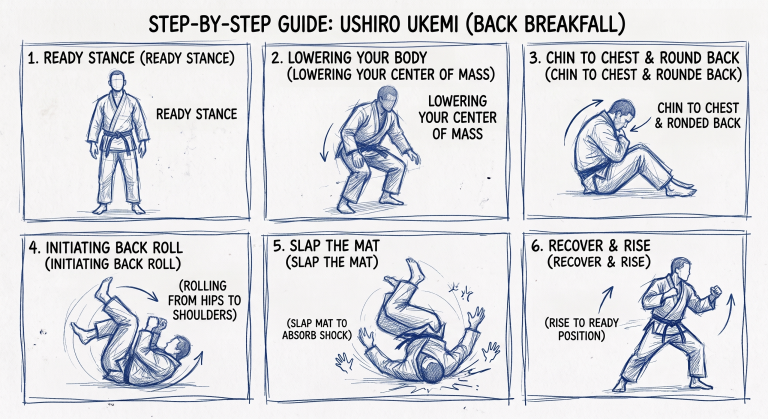
The three primary breakfalls address different falling directions. Ushiro ukemi (back breakfall) requires you to fall backwards with a rounded back and both arms slapping simultaneously at 45-degree angles.
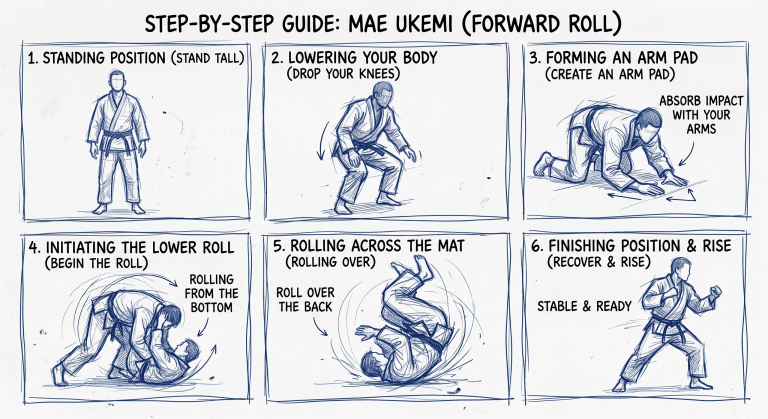
Mae ukemi (front breakfall) involves falling forward with your arms extended to absorb impact. Your forearms contact the ground first, protecting your face and chest from direct contact.
Key differences:
| Breakfall Type | Direction | Arm Position | Primary Protection |
|---|---|---|---|
| Yoko Ukemi | Sideways | One arm at 45° | Head and hip |
| Ushiro Ukemi | Backward | Both arms at 45° | Head and spine |
| Mae Ukemi | Forward | Forearms extended | Face and chest |
Yoko ukemi distributes impact along one side of your body from leg through hip to shoulder. Back breakfalls spread force across your entire back surface. Front breakfalls concentrate absorption through your forearms and hands while keeping your torso slightly elevated.
Step-by-Step Guide and Practical Applications
Proper execution of yoko ukemi requires careful preparation, precise technique, and progressive skill development. For optimal safety and performance, consider wearing high-quality rash guards designed for BJJ. Check out this guide to the best rash guards for BJJ on bolojiujutsu.com.
Preparation and Safety Considerations
Before attempting yoko ukemi, you need to ensure your training environment supports safe practice. Use proper martial arts mats that provide adequate cushioning for impact absorption. Wear appropriate training attire that allows freedom of movement without restricting your ability to execute the technique correctly.
Start your practice from low positions to minimize fall height and impact force. Begin seated or kneeling to focus purely on the slapping motion and body positioning without the added complexity of descending from standing height. Warm up your shoulders, wrists, and core muscles thoroughly, as these areas absorb significant force during the breakfall.
Check that you have adequate space around you in all directions. Remove any jewelry or hard objects from your pockets that could cause injury during impact. If you’re new to breakfalls, work under supervision from a qualified instructor who can correct your form and prevent dangerous habits from developing.
Executing the Side Breakfall Correctly
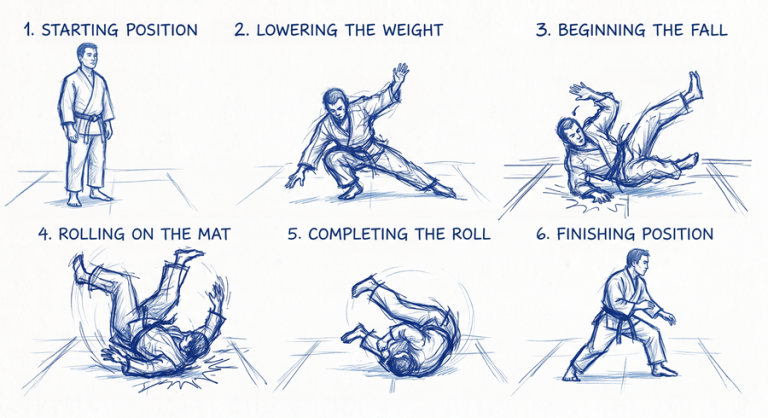
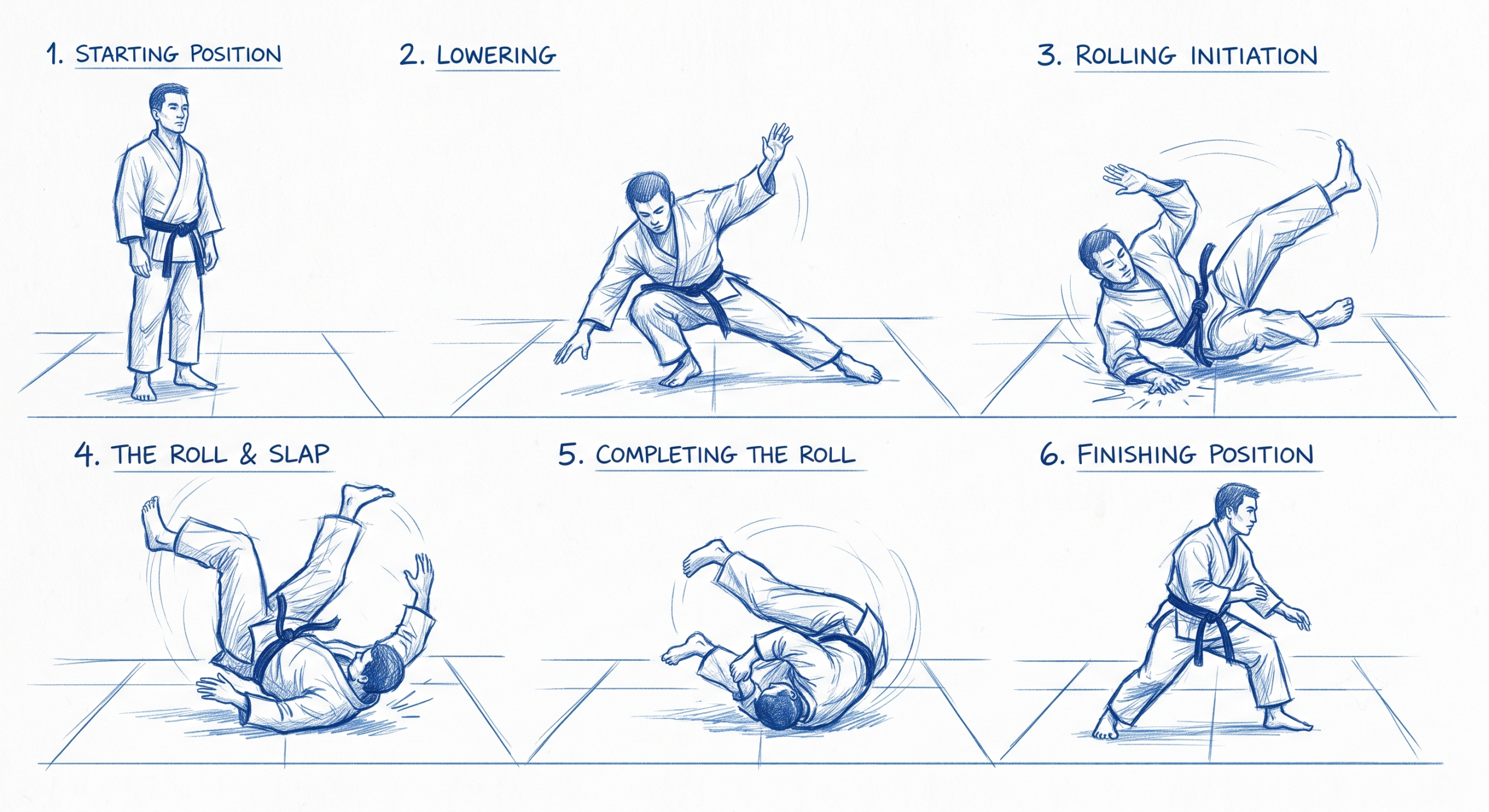
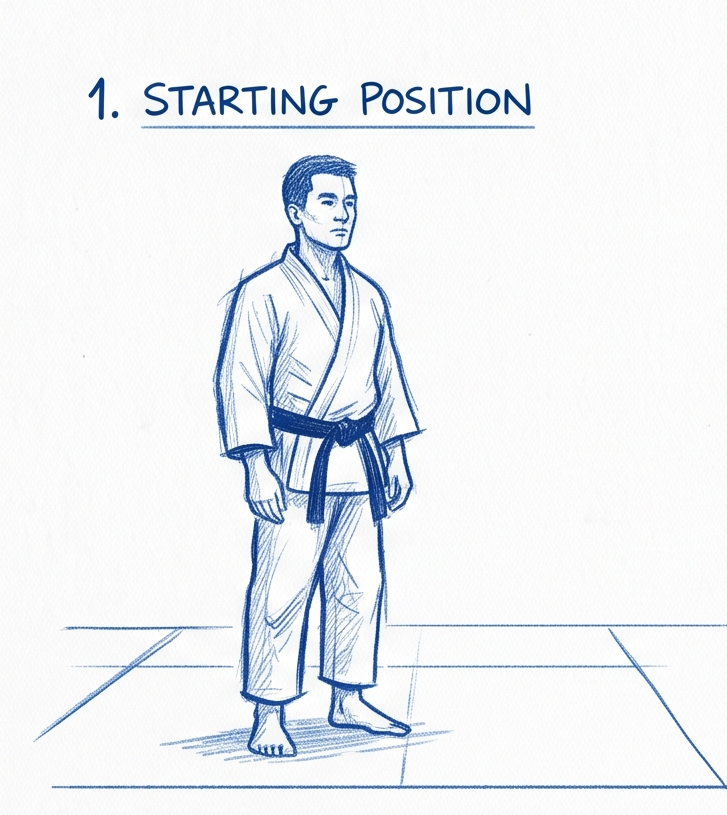
To perform yoko ukemi on your right side, begin in a standing position with your feet shoulder-width apart. Cross your right leg slightly behind your left leg as you start to descend. Turn your head to look left, keeping your chin tucked to protect your head from ground contact.
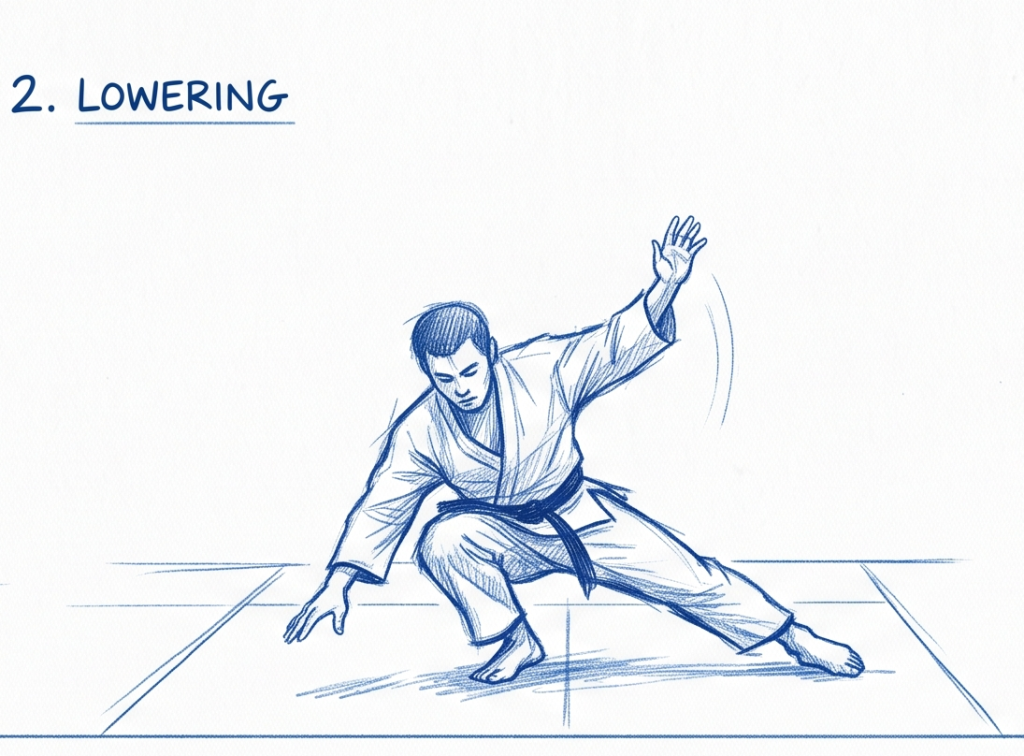
Extend your right arm at approximately 45 degrees from your body with your palm facing down and fingers slightly spread. Your left arm should cross your chest for protection. As you lower yourself by bending your knees, maintain a slight C-shape curve through your body.
The critical moment occurs when your arm slaps the mat just before or simultaneously with your body making contact. The proper execution of the slap disperses impact force across your entire arm rather than concentrating it on your elbow or shoulder. Your body should contact the ground in a rolling sequence from your leg through your hip and side of your torso.
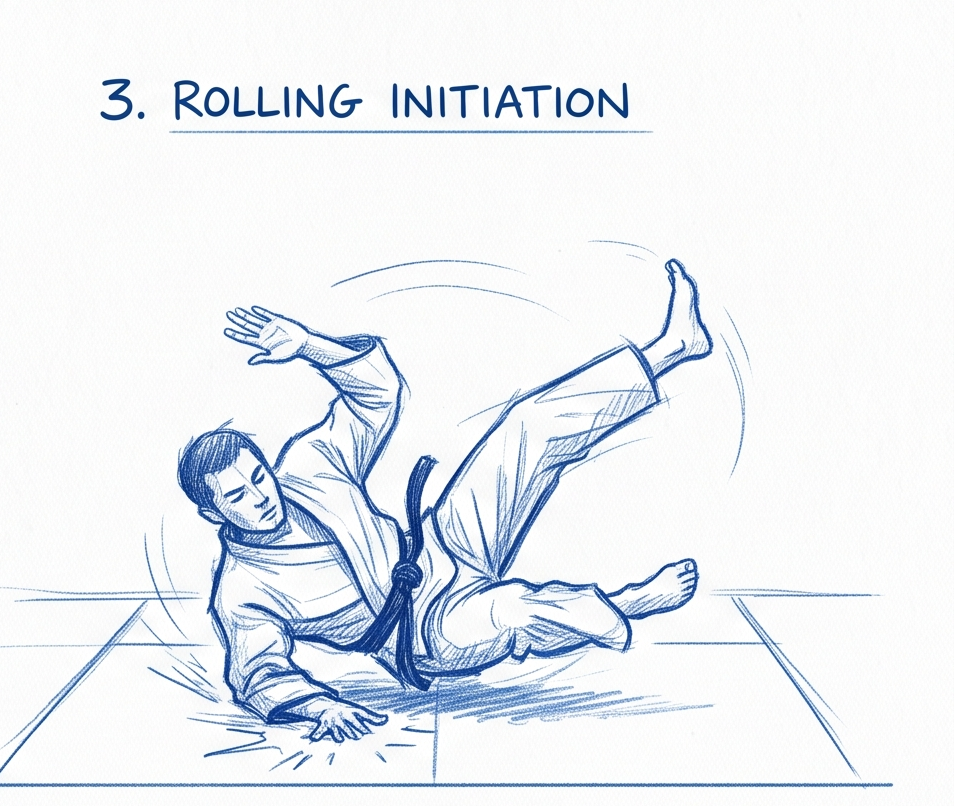
Exhale sharply at the moment of impact to help tense your core muscles and further absorb shock. After completing the breakfall, you can return to a defensive position or transition to your next movement.
Advancing to Forward Rolling and Other Ukemi Variations
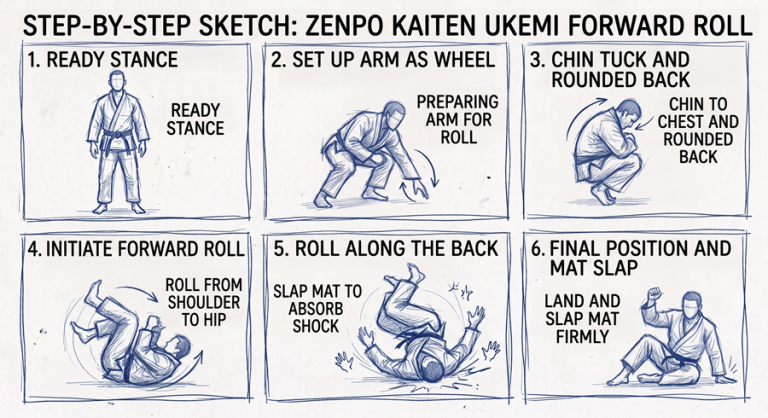
Once you’ve mastered the basic side breakfall, you can progress to more dynamic falling techniques that build upon the same protective principles. Zenpo kaiten ukemi, the forward rolling breakfall, converts downward momentum into forward rolling motion, allowing you to maintain mobility after being thrown.
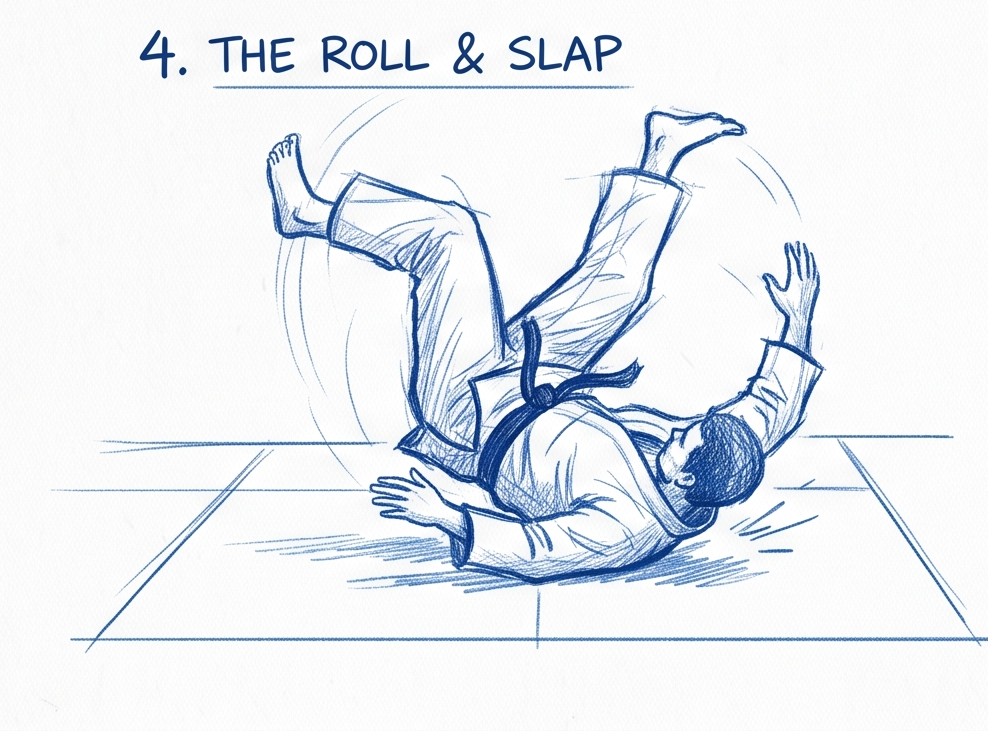
Mae ukemi (front fall) protects you when falling forward by distributing impact across both arms extended in front of your body. This technique differs from yoko ukemi by requiring both arms to slap simultaneously while keeping your body slightly elevated off the ground.
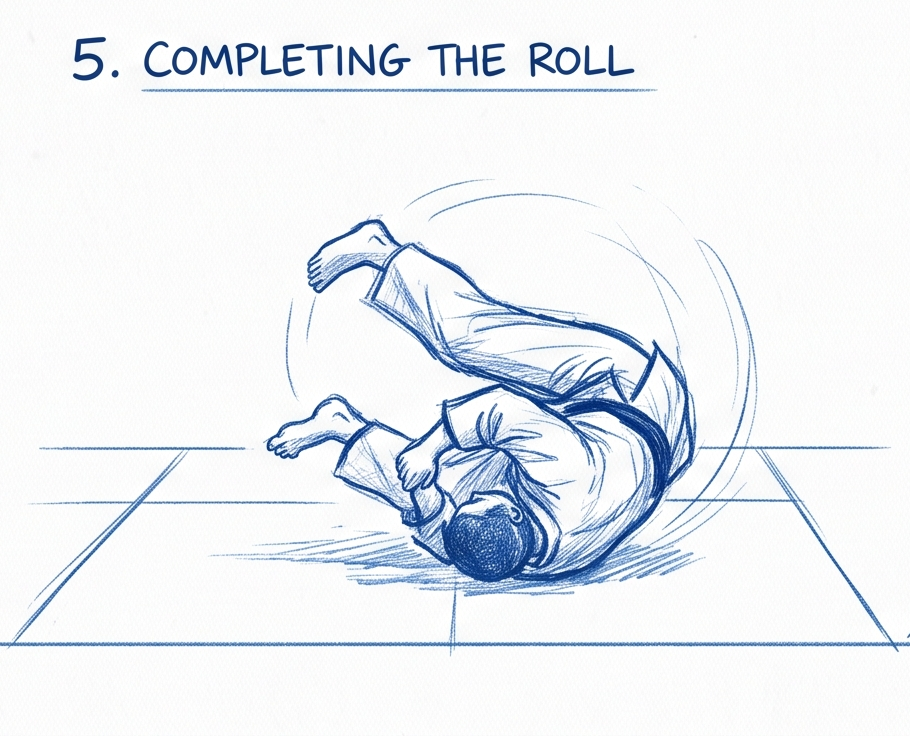
Ushiro ukemi (back breakfall) addresses rearward falls by emphasizing a rounded back position and bilateral arm slapping. The complete range of ukemi techniques provides comprehensive protection regardless of throw direction or fall angle.
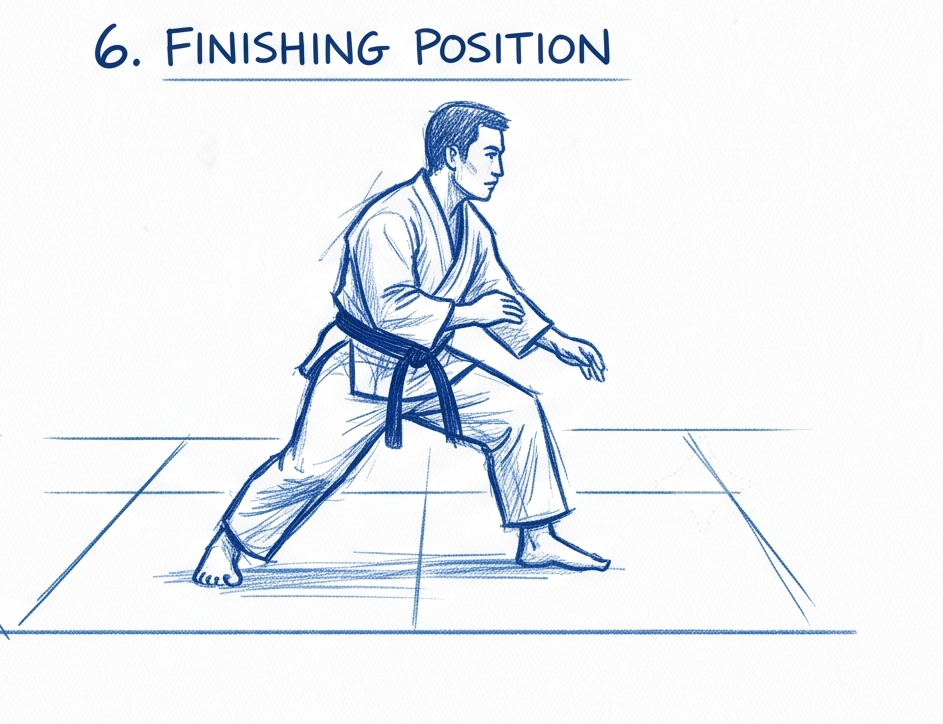
For those interested in Brazilian Jiu-Jitsu (BJJ), ukemi is also an essential skill. You can find more resources and tips on BJJ breakfall techniques at bolojiujutsu.com and explore recommended gear such as rash guards for BJJ training in this best rash guards BJJ article.