How Tight Should BJJ Rash Guards Be?
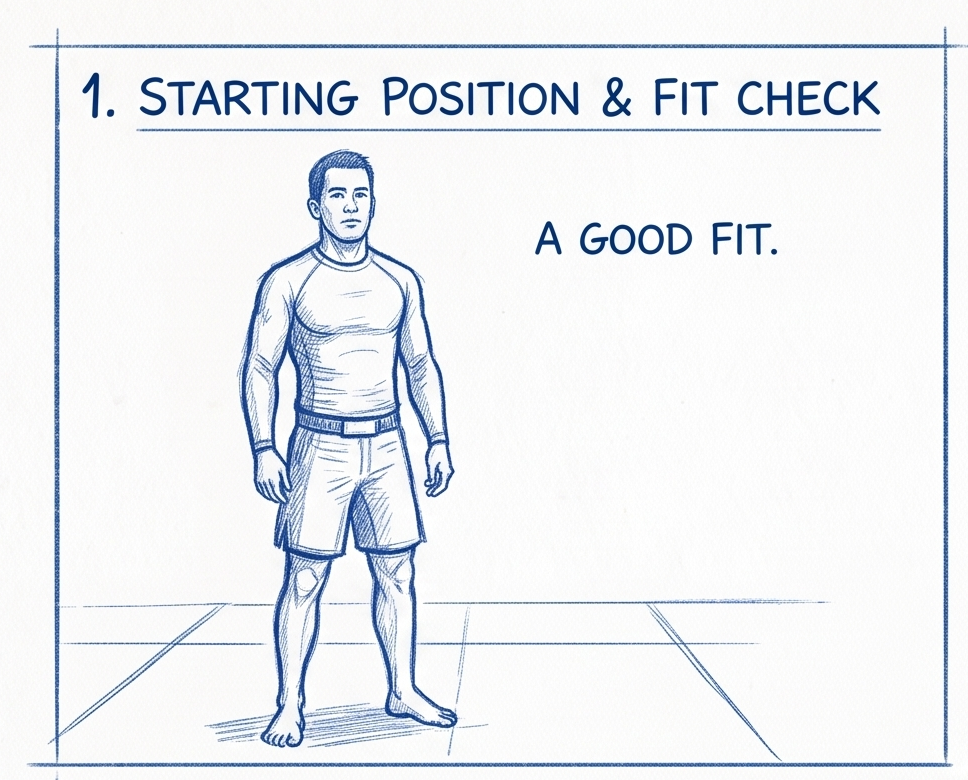
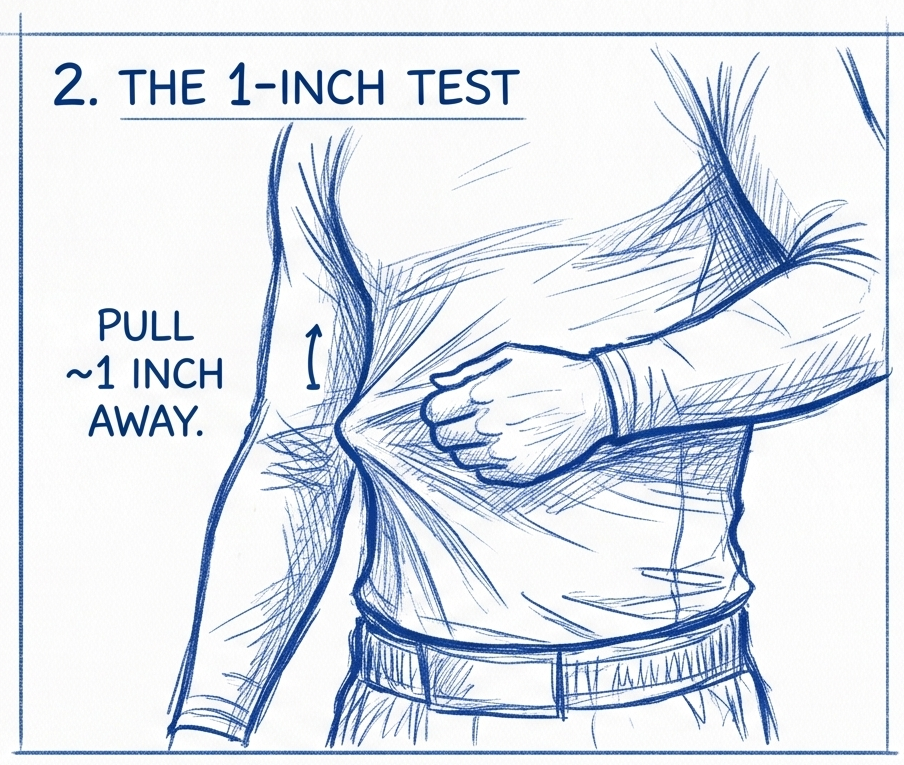
How Tight BJJ Rash Guards? A BJJ rash guard needs to be tight enough to stay in place during rolls but not so restrictive that it limits your movement or breathing. The fabric should sit close to your skin without loose folds, with the hem reaching your shorts waistband and staying there when you bridge, frame, or shoot for takedowns. You should be able to stretch the material about an inch away from your torso when pulled.
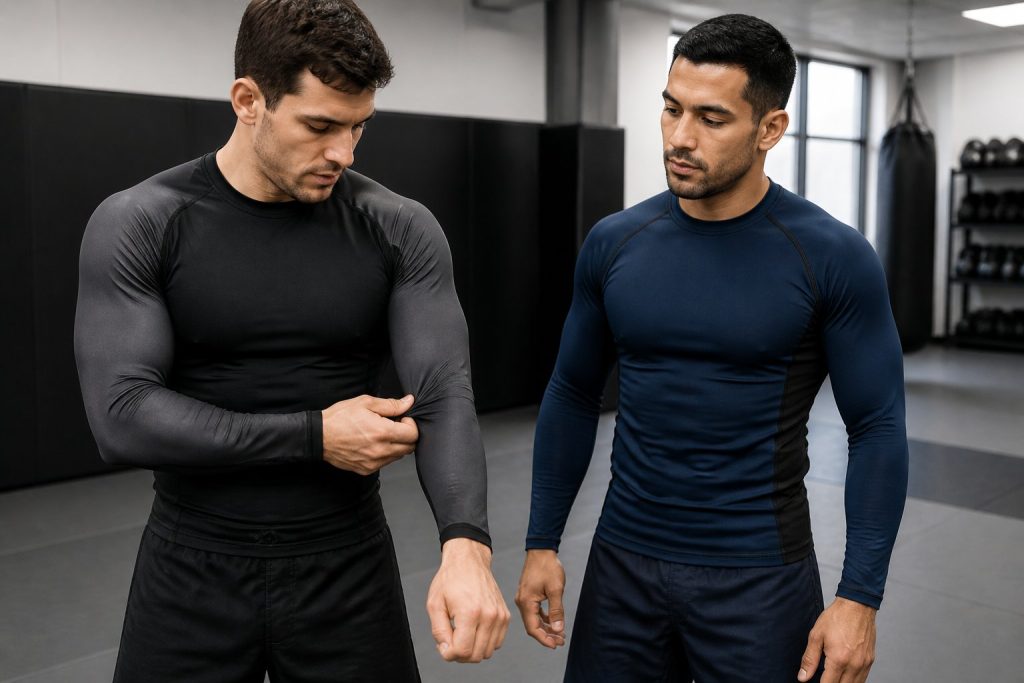
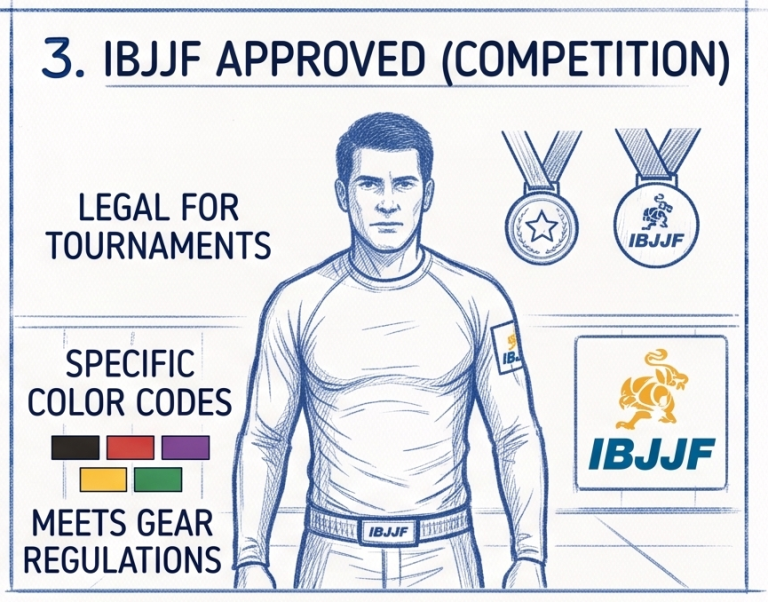
Getting the right compression level makes a real difference in your training experience. A properly fitted rash guard prevents fabric bunching during scrambles, reduces the risk of mat burn, and meets competition requirements if you plan to compete under IBJJF rules.
Understanding what tight actually means for grappling gear helps you avoid common sizing mistakes. Many practitioners buy based on their regular t-shirt size and end up with a garment that rides up, restricts shoulder movement, or creates uncomfortable pressure points during training.
Getting the Ideal Rash Guard Fit
A proper rash guard fit balances compression with mobility, ensuring the garment stays in place during training while allowing unrestricted movement. Understanding the specific requirements of BJJ helps you select gear that enhances performance rather than hindering it.
Why BJJ Rash Guards Need to Be Snug
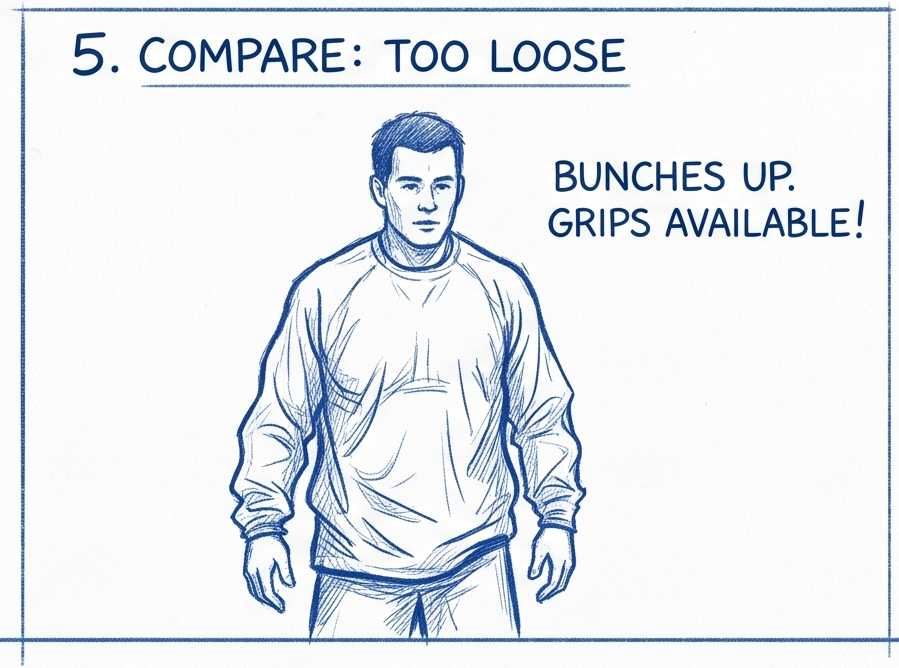
Your rash guard needs to fit tightly against your skin to prevent your training partners from grabbing excess fabric during rolls. Loose material creates grip opportunities that can compromise your positions and even pose safety risks during fast transitions.
A snug fit like a second skin keeps the fabric from bunching up or riding during grappling exchanges. The tight compression also provides muscle support and reduces friction against the mat surface.
Beyond tactical advantages, the compression fit serves hygienic purposes. When the fabric sits flush against your body, it wicks moisture away from your skin more effectively. This moisture management helps regulate body temperature and reduces the risk of skin infections common in close-contact sports.
The strategic compression in BJJ-specific rash guards differs from regular compression shirts. These garments feature reinforced stitching and targeted compression zones designed for the pulling, twisting, and stretching movements unique to grappling.
Guidelines for Proper Compression and Range of Motion
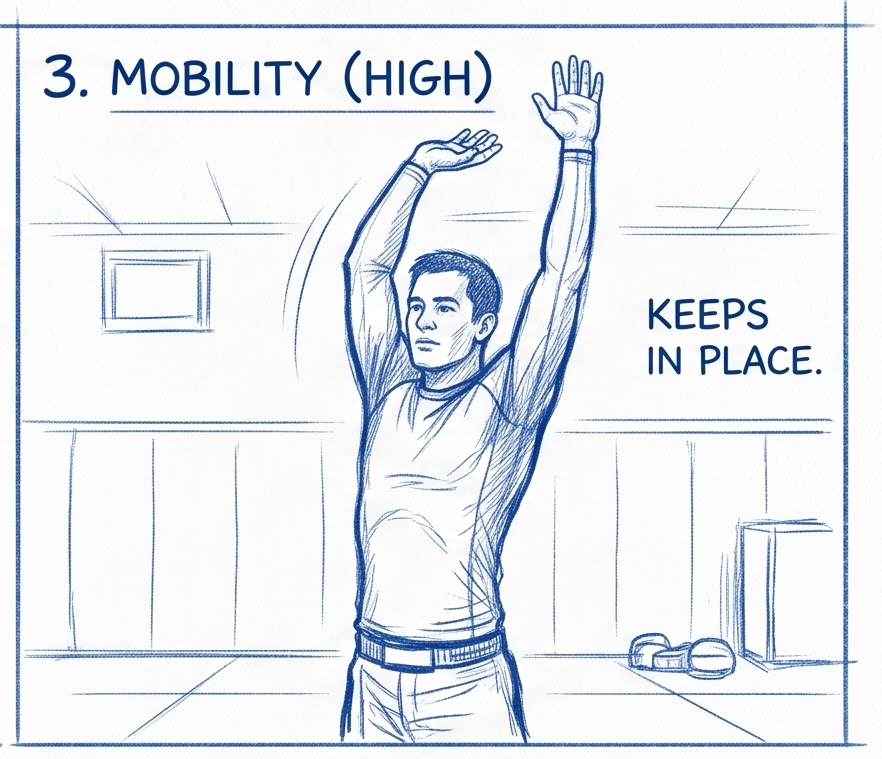
Your rash guard should feel tight but not restrictive when you first put it on. Test the fit by performing arm circles, shoulder rotations, and deep squats to verify you have complete freedom of movement.
Key fit checkpoints include:
- The sleeves should end at your wrists without excess fabric
- The torso should lie flat without wrinkles or bunching
- The neckline should sit comfortably without choking
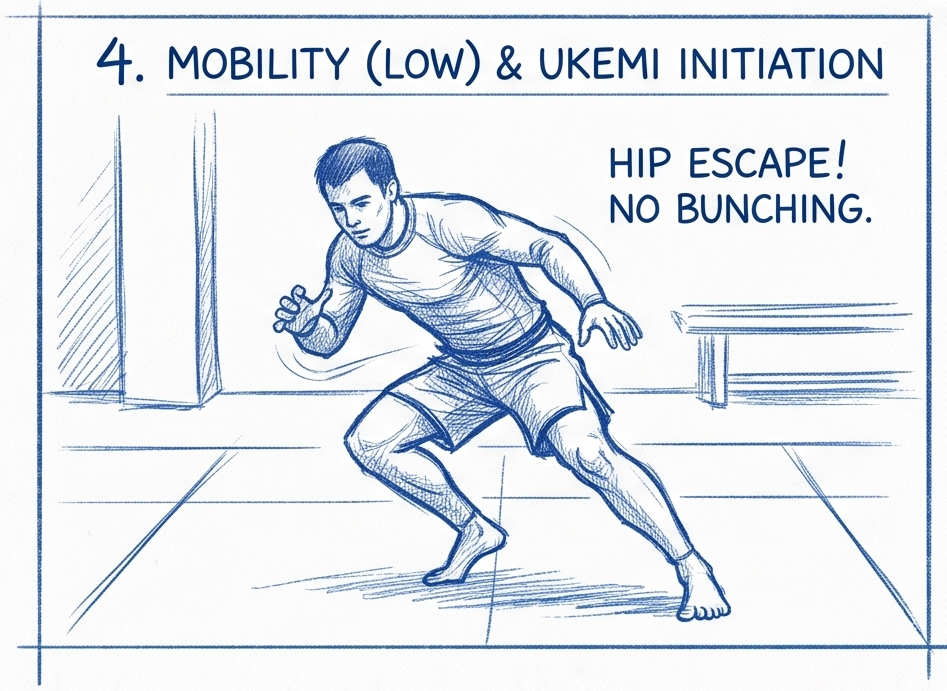
- You should be able to perform full hip escapes and guard retention movements
The fabric should stretch with your body during dynamic movements rather than pulling or creating pressure points. When you raise your arms overhead, the bottom hem should stay in place rather than riding up significantly.
Pay attention to seam placement around your shoulders and armpits. These high-mobility areas require strategic compression zones that flex with your movements. Quality construction in these zones prevents chafing during extended training sessions.
Your breathing should remain unrestricted even during intense exertion. If you feel constricted around your chest or ribs, the compression is too tight for optimal performance.
Signs of Incorrect Rash Guard Fit
Too Loose: Excess fabric bunches up during movement, creating grip opportunities for opponents. The garment shifts position frequently and requires constant adjustment between rounds.
Too Tight: Restricted breathing or limited range of motion in shoulders and hips. Red marks or indentations appear on your skin after removing the garment. You feel numbness or tingling in your extremities during training.
Material riding up indicates either improper sizing or poor quality construction. A correctly fitted rash guard maintains its position throughout your training session.
Visible gaps between the fabric and your skin when you’re in a neutral stance suggest the size is too large. Conversely, difficulty getting the rash guard on or off points to sizing down too much.
Seams that dig into your skin or create pressure lines indicate poor fit in those specific areas. Quality rash guards use flatlock stitching that lies flush against your body without causing irritation.
Benefits of Proper Rash Guard Tightness
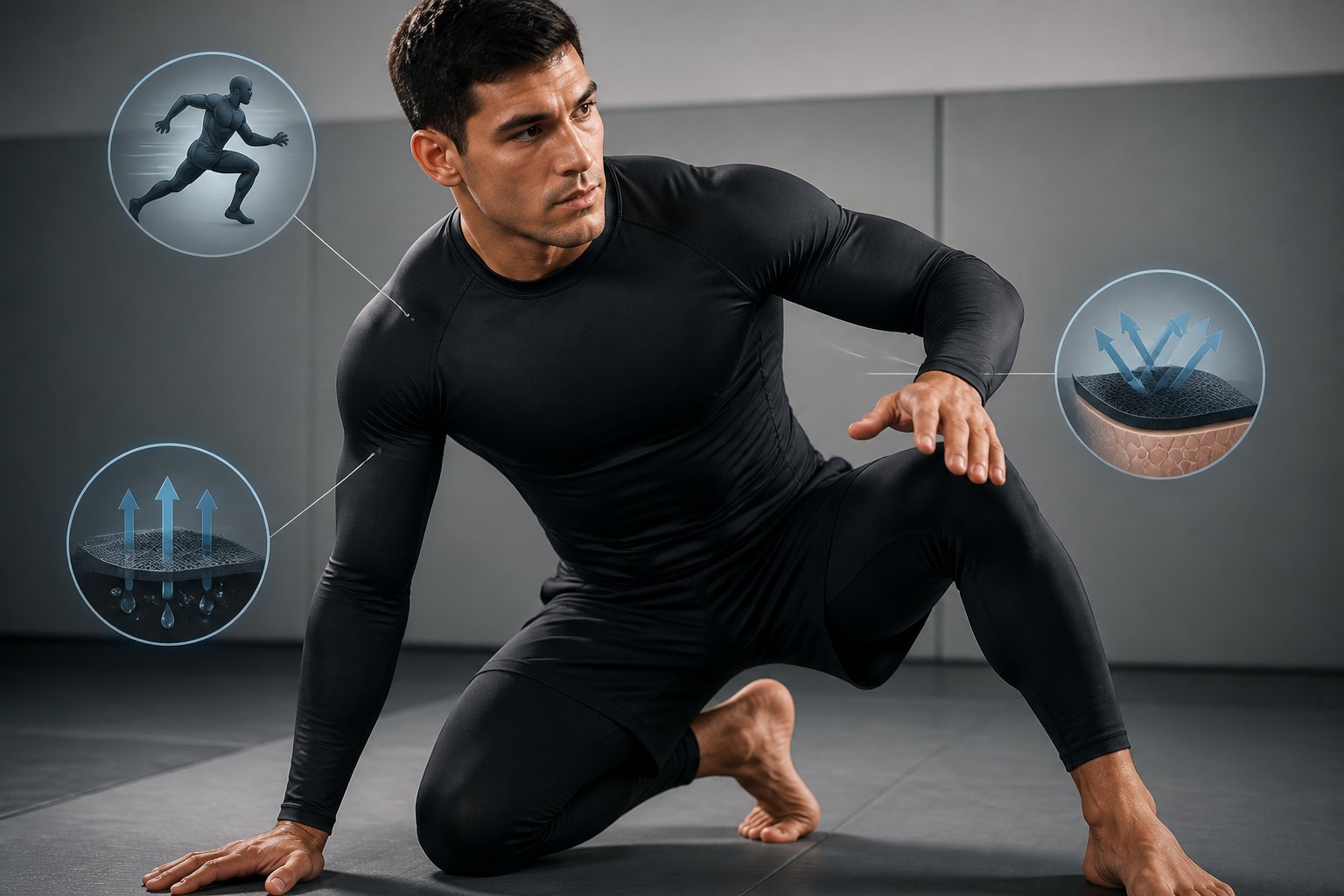
When your BJJ’s rash guard fits correctly, it provides maximum protection against common training hazards while maintaining comfort throughout intense rolling sessions. The right level of compression directly impacts how well the garment prevents injuries, manages moisture, and holds up to repeated use.
Protection From Mat Burns and Skin Infections
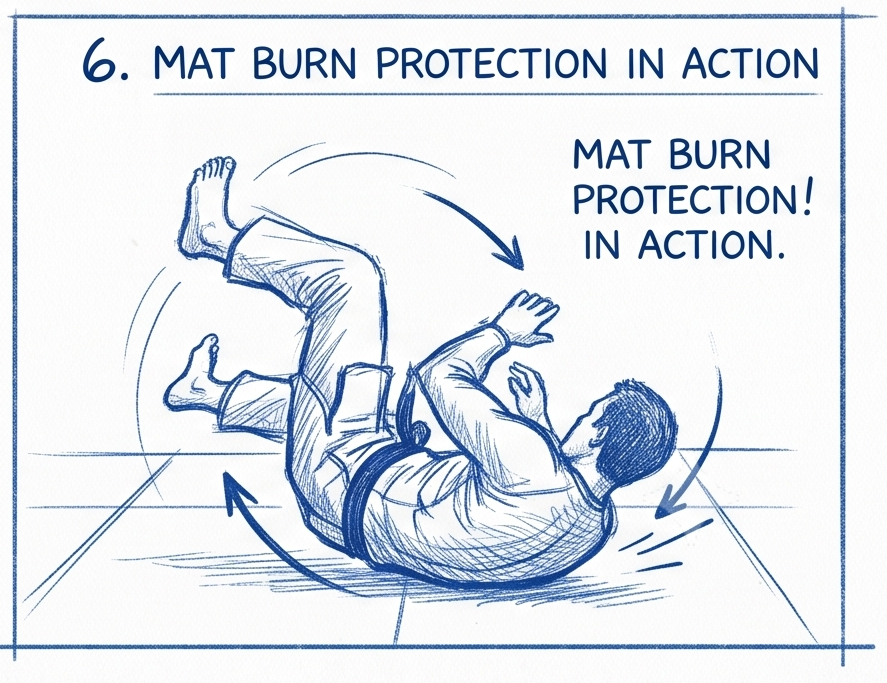
A properly fitted rash guard creates a protective barrier between your skin and the mat surface. The snug fit prevents the fabric from bunching or shifting during scrambles, which reduces friction points that lead to mat burns.
Rash guards help prevent the spread of skin infections like staph and ringworm by minimizing direct skin-to-mat contact. When the garment fits tight enough to stay in place, it covers more surface area consistently throughout your training session.
Loose rash guards ride up during transitions and leave portions of your torso exposed. This defeats the primary purpose of wearing protective gear. The correct compression level keeps the fabric locked against your skin without restricting your breathing or range of motion.
Sweat Management and Anti-Bacterial Fabrics
Moisture-wicking polyester blends work best when the fabric maintains consistent contact with your skin. Proper compression allows the material to pull sweat away from your body efficiently, preventing the rash guard from becoming saturated.
Anti-bacterial properties in the fabric help prevent odor and bacteria buildup over time. These treatments are most effective when the garment fits snugly enough to manage sweat properly. A loose fit creates gaps where moisture pools instead of wicking away.
Temperature regulation improves with correct tightness. The compression and moisture management combine to keep you cooler during intense training sessions and prevent overheating.
Durability and Comfort During Training
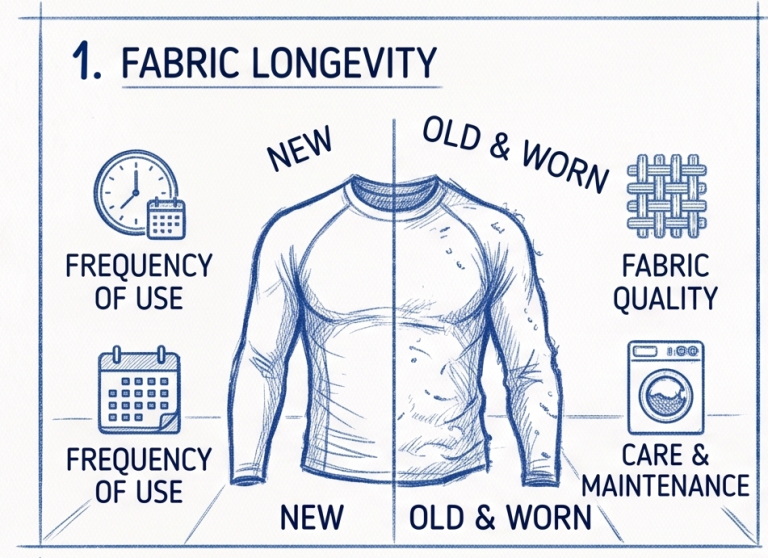
The right compression level prevents shifting during transitions, which reduces stress on seams and stitching. When fabric moves excessively, it creates friction points that accelerate wear and tear.
A properly tight rash guard experiences less pulling and stretching in vulnerable areas like shoulders and armpits. This extends the lifespan of the garment significantly compared to ill-fitting alternatives.
Comfort increases when the rash guard stays in position without constant adjustment. You can focus on technique rather than tugging at loose fabric or dealing with restricted movement from overly tight compression. The balance between snug and restrictive determines whether your rash guard enhances or hinders your performance on the mats.
Read more article about Bjj here: https://bolojiujitsu.com/