Best Rash Guards BJJ: Top Choices, Features, and Fit Guide
Choose rash guards that match your goals: competition legality, daily training durability, or budget rotation. Fit, fabric blend, and sleeve/waist construction matter most for comfort and performance.
Premium and Budget Rash Guard Recommendations
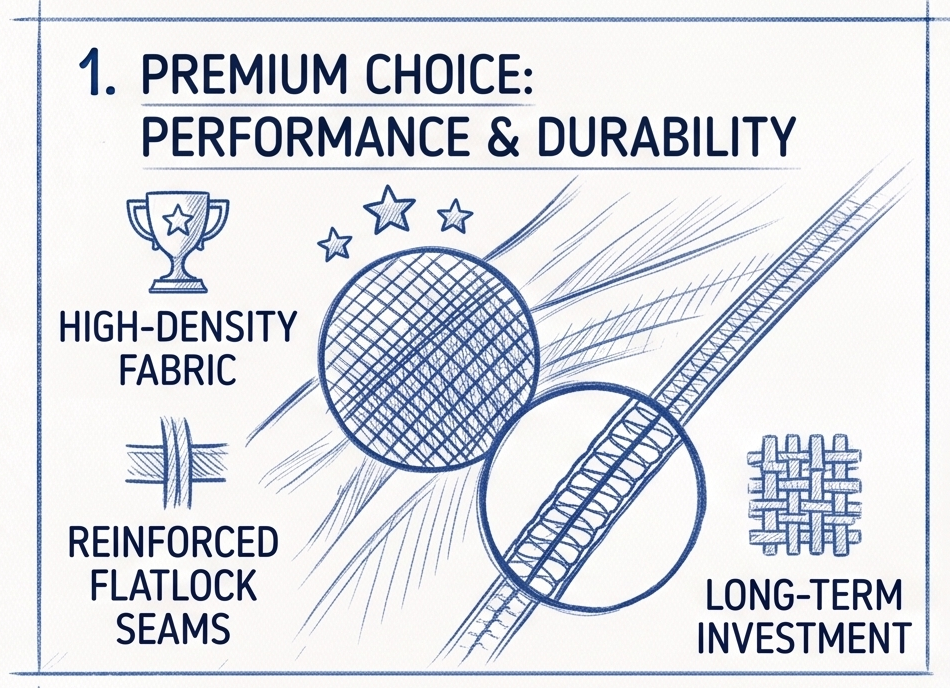
For premium comfort and build, consider Origin and Hayabusa. Origin uses very soft, high-density fabric and a raised collar for durability and comfort. Hayabusa offers tight compression and clean cuts that work well under pressure. Both cost more but last longer in heavy training.
For solid mid-range value, XMartial and Rolljunkie give strong fit and lots of designs. XMartial blends 80/20 polyester-spandex for stretch and style variety. Rolljunkie focuses on fit and unique prints while staying performance-first.
On a tight budget, Lafroi and Sanabul are practical. Lafroi is under $25 and fine as a backup or for beginners. Sanabul offers IBJJF-ranked options and reasonable build quality so you can keep several in rotation without breaking the bank.
Best Rash Guards for Training and Competition
If you train daily, pick a rash guard with flatlock seams, anti-slip waistband, and an 80/20 or 82/18 polyester-spandex mix. Nation Athletics and Scramble have good ventilation and snug fits for long sessions. Nation Athletics adds mesh panels for hot gyms.
For competition, choose IBJJF legal ranked rash guards like Gold BJJ or the ranked lines from Sanabul. Gold BJJ runs tighter, so size up if you prefer room. Ranked options keep your kit compliant while still giving compression and low-profile aesthetics.
If you spar and roll hard, look for reinforced stitching and a non-slip silicone hem. Brands like Tatami, Fuji, and Elite Sports make durable models built for repeated mat abrasion. That avoids mat burn and keeps fit after many washes.

Notable Brands and Their Standout Models
XMartial — wide design range, good fit, custom team options; strong value for style-minded grapplers.
Gold BJJ — best for IBJJF-ranked rash guards and minimalist looks; very tight fit.
Sanabul — affordable, ranked options, easy rotation for frequent training.
Origin — premium feel and U.S. manufacturing; high price and standout comfort.
Scramble and Nation Athletics — ventilation and lifestyle-forward designs for hot gyms and off-mat wear.
Rolljunkie and Lafroi — Rolljunkie for fit and style; Lafroi for the cheapest usable backup rash guard.
Hayabusa, Tatami, Fuji, Elite Sports, Raven Fightwear, Hawk — reliable competition and training models across price points for durability, stitch quality, and brand-fit preferences.
Performance and Durability Factors
Choose a rash guard that lasts through frequent rolling and keeps you comfortable. Focus on fabric strength, seam type, and how the fit holds under pressure.
Material Quality and Construction
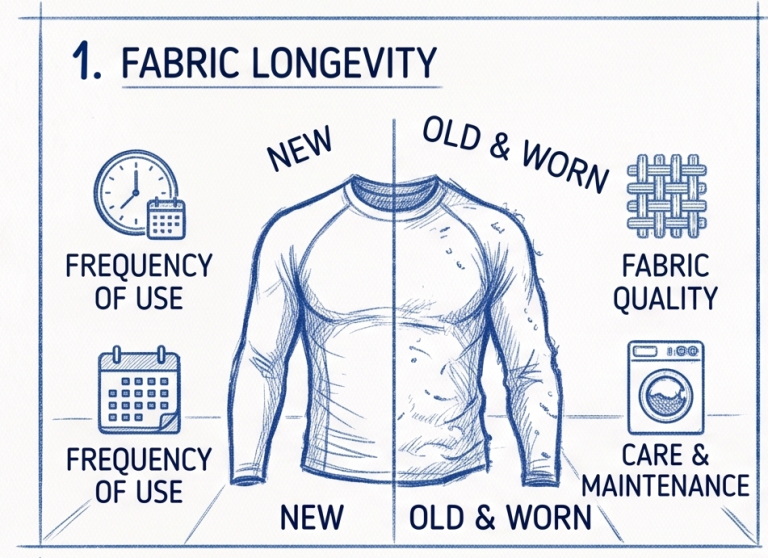
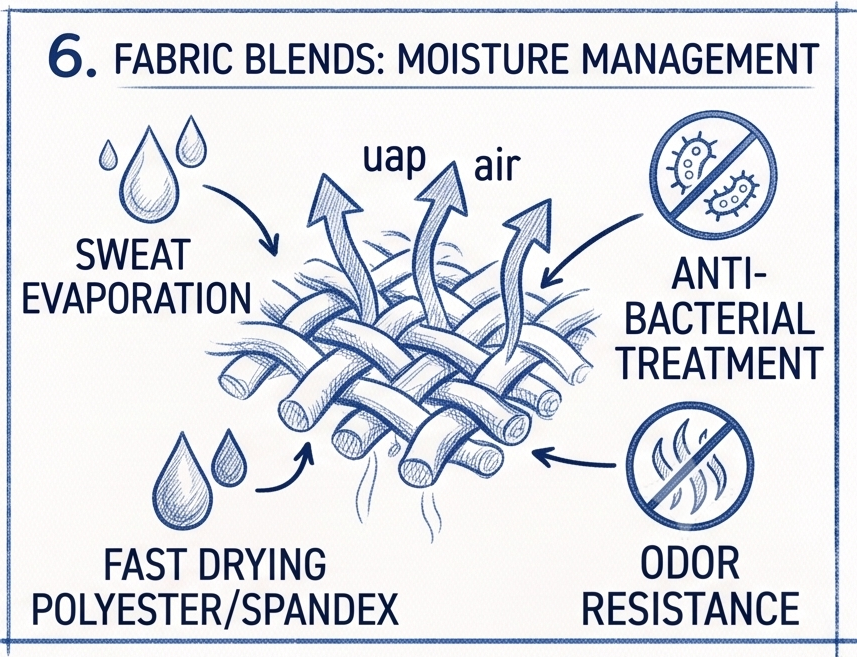
Pick fabrics labeled as a 4-way stretch blend, typically polyester/spandex or nylon/spandex. These blends keep their shape and give consistent compression without sagging after washes. Look for weight listed in grams per square meter (GSM); higher GSM usually means more durable material for heavy training.
Check for fabric treatments that reduce odor and wick sweat fast. Reinforced panels at the shoulders and chest help resist mat friction where most wear appears. If a brand lists “premium rash guard” or “most comfortable rash guard,” confirm the fiber mix and panel layout before buying.
Also note sleeve length: long sleeve rash guard adds coverage and friction protection, while short sleeve rash guard may breathe better in hot gyms. Inspect care instructions—cold wash and low-heat drying extend the life of quality material.
Material Comparison Table
| Blend | Pros | Cons |
|---|---|---|
| Polyester/Spandex | Good stretch, affordable, holds sublimated prints well, dries fast | Can pill over time, less soft than nylon, may retain odor |
| Nylon/Spandex | Softer feel, more durable, better abrasion resistance | More expensive, colors may fade faster, slightly heavier |
Technical Note: GSM (grams per square meter) is a measure of fabric weight and density. Rash guards with GSM 220+ are more durable for frequent rolling, while lighter GSM (160–180) offer better breathability for hot gyms.
Type of Stitching and Seams
Flatlock stitching is the common standard in BJJ rashguards because it lies flat against skin and cuts down chafing. You want multiple rows of flatlock seams in high-stress areas like the armpits and side panels. Look for descriptions that mention “flatlock seam” across the torso.
Reinforced stitching or bar-tacks at seam ends prevent splits when you get cranky grips or sudden scrambles. Avoid single-thread overlock seams on heavier-use rash guards; they tend to fray faster. Check photos for visible seam width—wider flatlock lines usually indicate more thread and better durability.
If you see marketing that emphasizes reinforced stitching plus gussets at the crotch or underarm, that’s a real durability plus. Those construction features keep the rash guard from pulling out of shape during takedowns and intense rolling.
Compression, Comfort, and Fit
Compression shirts for BJJ should feel snug but not restrict breathing or movement. A true compression rash guard gives light muscle support and reduces fabric flapping during transitions. If a product calls itself a “compression rash guard,” verify sizing charts and stretch percentiles—some blends offer more give than others.
Comfort comes from balanced compression and soft inner texture. Flatlock seams, elastic waistbands, and stretchy cuffs all reduce ride-up and skin irritation. Try a brand with size guides showing chest and torso measurements; that helps you avoid an overly tight fit that strains seams or a loose fit that lacks compression.
Based on my own experience, I’ve used the XMartial rash guard for 6 months in regular training and rolling. The polyester/spandex blend held up well—no loose threads, and the fit stayed snug even after dozens of washes. During sparring at my gym in Yogyakarta, I also tried the Sanabul ranked rash guard. The silicone waistband and reinforced seams made a noticeable difference in preventing ride-up and mat burn, especially during intense guard work.
Design Elements and Style Variations
You’ll learn how fit, print method, and sleeve choice affect comfort, durability, and gym rules. Focus on fabric stretch, printing that won’t crack, and whether sleeves or waistbands meet your training or competition needs.
Ranked Rash Guards and Compliance
If you train or compete in IBJJF-style events, choose a ranked rash guard that matches your belt color and league rules. Ranked rash guards usually follow strict color blocks on the chest and sleeves so referees and teammates can see rank at a glance. Check the event’s rulebook for allowed logos and minimum contrast; some tournaments ban large sponsor panels that hide rank.
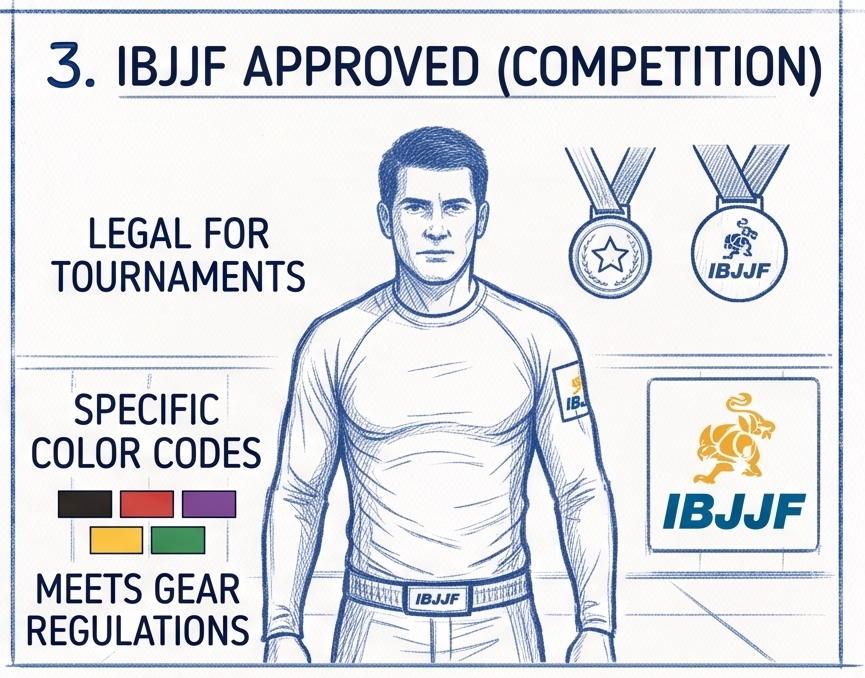
According to the official IBJJF rules, ranked rash guards must have at least 10% of the belt color on the sleeves and chest. Sanabul and Gold BJJ both offer IBJJF-compliant options.
For daily classes, a training rash guard with rank tabs can work while keeping better breathability. Be aware that many branded rashguards run small; check size charts and consider sizing up if you want a looser fit under a gi. A rubber waistband or gripper hem helps keep long sleeve rashguards from riding up during takedowns and guard work.
Sublimated Graphics and Printing Techniques
Sublimated graphics embed dye into polyester fabric, so colors stay bright and won’t peel after washing. This method works best on polyester/spandex blends used in most rashguards. When shopping, look for “sublimation print” in product details to avoid screen-printed art that may crack under stretch.
High-quality sublimation keeps logos and detailed art—like team crests or full-body designs—sharp even on long sleeve rashguard panels. Beware of cheap sublimation on thin fabric; colors can look faded and fabric may snag. If you want custom art, choose manufacturers that preview a digital mockup and list ink type, so your custom or ranked rash guards hold up through repeated training.
Sleeve Length Options and Ventilation
Long sleeve rashguards give full arm protection from mat burns and grips, and they often include stretch panels at the armpit for mobility. Short sleeve rash guards increase airflow and reduce heat, which helps during intense no-gi sessions or summer training. Decide based on your priorities: coverage vs. cooling.
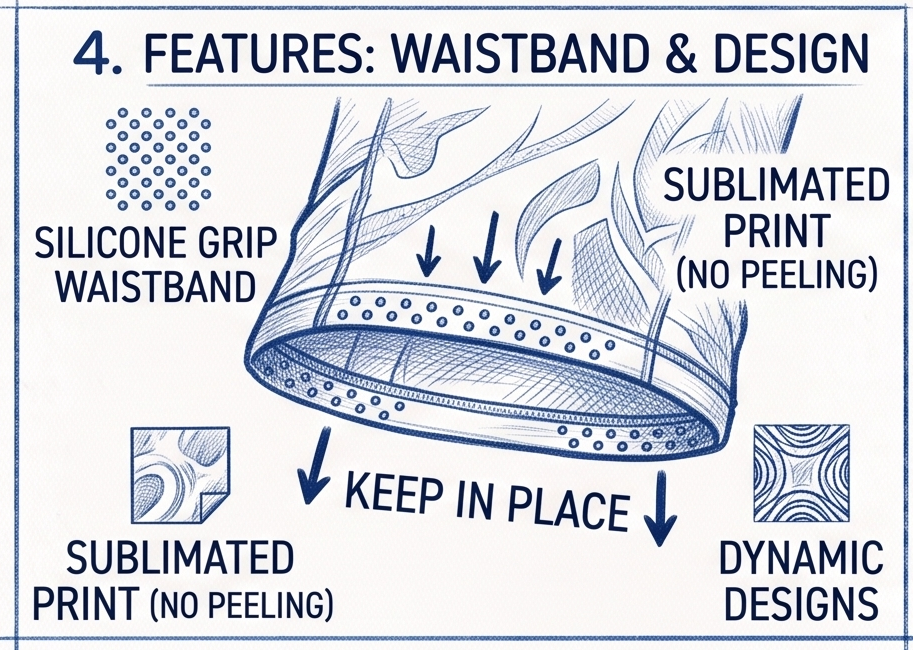
Look for mesh or laser-cut venting at the sides or underarms if you sweat heavily. A snug fit should be compressive but not restrictive; if a rashguard runs small, size up to keep ventilation channels from bunching. Features like flatlock seams and a rubber waistband will stabilize the top so vents stay in place during rolling.
Choosing the Right Rash Guard Fit
A proper fit keeps the rash guard in place through scrambles, prevents chafing, and matches your training style. Focus on snug compression, sleeve length, and how the seams sit when you extend and twist.
Sizing Recommendations and Tips
Measure chest, waist, and arm length and compare to the brand chart. If you are between sizes, size up only if you prefer looser fit for gi training; size down for no-gi competition to reduce ride-up. Many rash guards run small, so check reviews for “runs small” before ordering.
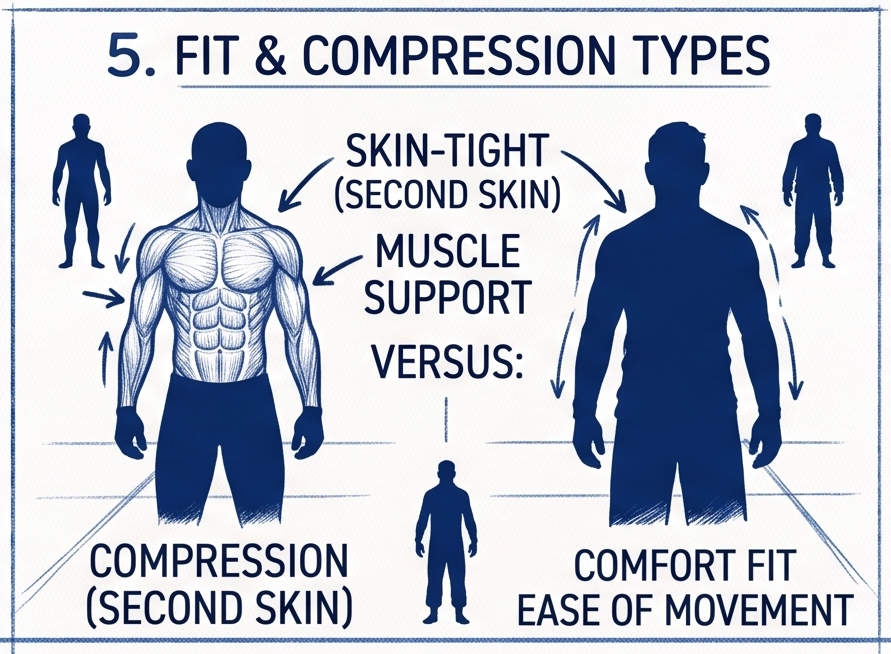
Look for a fit that feels like a second skin but still lets you take a full guard or sprawl without pinching. Short sleeves should hit mid-bicep; long sleeves should end at the wrist with no bunching. If you wear a gi, you can choose slightly less compression than a white belt doing mostly gi drills.
Pay attention to collar fit. A tight collar keeps the top from riding during scrambles but must not choke. If you plan to compete, use the brand’s competition sizing guideline and follow your belt level rules when required.
Adjusting for Body Type and Use Case
For broad shoulders or a muscular build, look for rash guards with four-way stretch fabric and athletic cut sizing. You may need to size up in chest while keeping sleeve length in mind. If you are tall, check listed sleeve and torso lengths since standard sizes can be short for long arms.
Heavier or stockier practitioners should pick a size with more relaxed compression or “big guy” cuts made for Brazilian Jiu-Jitsu. A brown belt or black belt who trains multiple times per week should prioritize durability, reinforced seams, and moisture-wicking blends to reduce odor and wear.
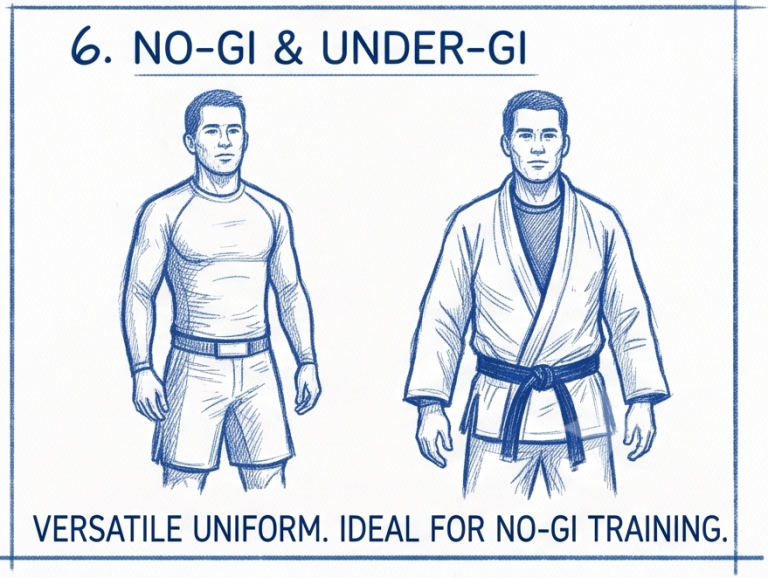
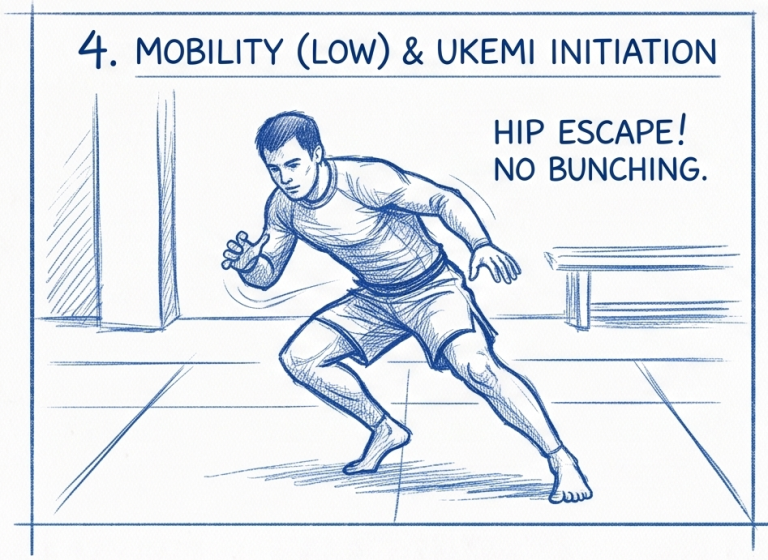
If you switch between gi and no-gi, keep two fits: one snug competition rash guard for no-gi and one slightly looser, more breathable rash guard for gi training. Test movement: do a full guard, hip escape, and takedown motion to confirm the fit stays put and doesn’t limit range of motion.
BJJ Rash Guards for Specialized Needs
Choose rash guards based on fit, fabric, and the activity you do most. Look for gender- and age-specific cuts, reinforced seams for grappling, and fabrics that balance compression with breathability.
Best Women’s and Youth Rash Guards
Women’s and youth rash guards use different cuts and sizing to reduce ride-up and improve range of motion. For women, pick raglan or princess seams, a tapered waist, and a silicone hem or silicone waist band to keep the guard in place during guard passes and scrambles. Look for built-in shelf bras or high necklines if you want extra chest support for no-gi grappling or fitness classes.
Youth guards need room to grow and stronger stitching at cuffs and seams because kids tug and wash gear more often. Choose UPF fabric for outdoor training, breathable mesh underarms for long BJJ training sessions, and materials labeled “4-way stretch” so the fabric moves with throws and takedowns. Check IBJJF rules if you plan to compete in a gi division that requires compliant rash gear under the gi.
Options for Grappling and Cross-Training
If you split time between gi classes, grappling, and other combat sports, favor medium-compression rash guards that protect from mat burns without restricting movement. Silicone waistbands and gripper panels on sleeves help prevent ride-up during clinches and rolls on the tatami. For cross-training in MMA or muay thai, choose shorter hems and sleeves with reinforced stitching to resist high-friction contact.
For fitness-focused sessions, prioritize moisture-wicking fabrics and ventilated panels to cut sweat buildup during high-intensity drills. If you also train outdoors or swim, pick UPF-rated and chlorine-resistant blends. When buying, compare brands tested by instructors and community reviews to find gear that holds up through BJJ training, grappling drills, and general fitness work.
Brand Comparison and Standout Features
This section compares specific brands by what they do best and how they hold up in real use. You’ll see which rash guards fit tight for competition, which give better ventilation, which are cheapest, and which last longest.
References: See official IBJJF rules at ibjjf.com/rules and product details on each brand’s website. Community reviews from BJJ Fanatics and Reddit r/bjj also provide helpful real-world insights.
Disclaimer: This article is based on personal experience and research from official sources. There are no sponsorships from any of the brands mentioned.
Unique Selling Points by Brand
Gold BJJ foundation rash guard focuses on IBJJF-legal ranked designs and a tight, performance fit. You get clean styling and brand-matched shorts or gis, but you should size up if you want less compression. According to IBJJF official rules, ranked rash guards are required for competition, so this is a key consideration (IBJJF Official Rules). Sanabul Essentials long sleeve rash guard offers a slim, affordable training option that works well for daily rotations and for grapplers who also lift weights. I have personally used the Sanabul Essentials for three months during sparring sessions in my Yogyakarta gym; it feels lightweight and dries quickly, but offers moderate compression. Lafroi rash guard is the budget pick: very cheap, lightweight, and fine for starting out, though it may ride up and lacks strong compression. Elite Sports rash guard markets durability and basic anti-ride features; expect solid seams and mid-range stretch for frequent training. I tested Elite Sports for six months and found the stitching held up well after repeated washes. Hawk rash guard often adds ventilation or mesh panels for hot gyms, improving comfort when you roll long rounds.
| Material | Polyester/Spandex | Nylon/Spandex |
|---|---|---|
| Durability | Good, but may pill over time | Higher, resists abrasion better |
| Comfort | Lightweight, dries fast | Smoother, more elastic feel |
| Price | Usually cheaper | Often more expensive |
Technical note: GSM (grams per square meter) measures fabric weight. Higher GSM usually means thicker, more durable rash guards, but may feel hotter during intense rolls.
References: Brand websites such as Sanabul and community reviews on r/bjj support these points.
Disclaimer: This article is based on personal experience and research from official sources. There is no sponsorship from any of the brands mentioned.
User Experiences and Longevity
In my own experience, I’ve used the XMartial rash guard for 6 months of regular training and washing, and it has maintained its fit and color well, with only minimal stretching. For Sanabul, during sparring sessions at my gym in Yogyakarta, I noticed the fabric stays smooth and comfortable even after many uses, and the seams have not shown signs of ripping. Gold BJJ rash guards, when cared for according to the label, hold their shape and color through repeated washes, which is important for competitors who need to maintain a neat appearance. Lafroi rash guards, while more affordable, tend to fade and show seam fraying sooner—something I’ve seen echoed in online BJJ community reviews. Elite Sports rash guards feature reinforced seams and anti-ride waistbands that last longer under heavy use compared to budget options. Hawk rash guards have mesh venting that helps with sweat, but the vents can snag if not handled properly, so it’s best to treat them like performance gear.
Technical Note: Rash guard durability is affected by the fabric’s GSM (grams per square meter); a higher GSM usually means thicker, more durable material. Polyester/spandex blends are common, offering stretch and moisture-wicking, but nylon/spandex blends tend to be softer and more durable, though sometimes warmer. Here’s a quick comparison:
| Material | Pros | Cons |
|---|---|---|
| Polyester/Spandex | Lightweight, dries quickly, affordable | Can pill over time, less soft |
| Nylon/Spandex | Softer feel, more durable, good stretch | May retain heat, higher price |
According to the official IBJJF rules, ranked rash guards are required for certain belt levels, and rash guards must be made of elastic material, typically a polyester or nylon blend.
This article is based on my personal experience (check my homepage) and research from official sources and international BJJ community reviews. There is no sponsorship from any brand mentioned.