Koho Kaiten Ukemi Step by Step
Getting thrown to the ground is just part of the deal in martial arts training, and knowing how to fall without wrecking yourself? That’s everything. Koho kaiten ukemi is the backward rolling breakfall technique you’ll see in aikido, BJJ, and a bunch of other arts—your best friend when you’re tossed or knocked backward. As uke (the one taking the fall), you really have to get this down before you can start training seriously with anyone else. I’ll be honest, it took me about six months of awkward tumbles and bruises before I started to feel even a little confident with it. But the payoff? Huge.
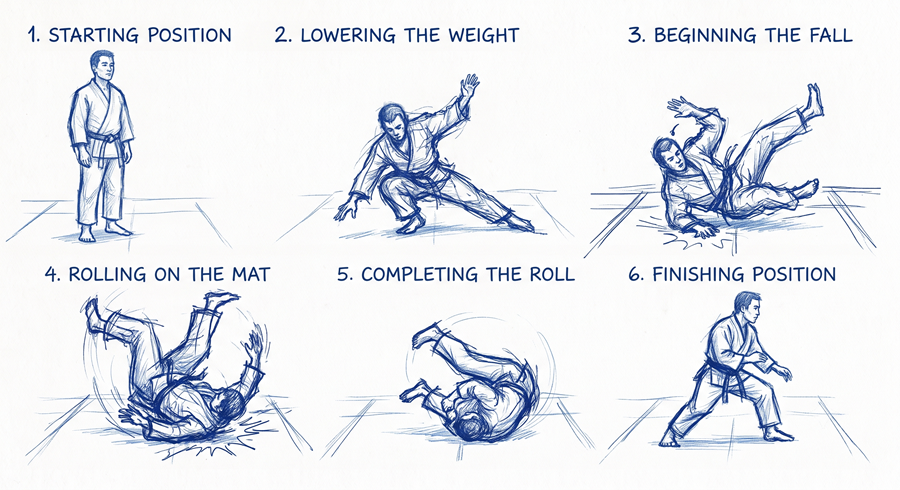
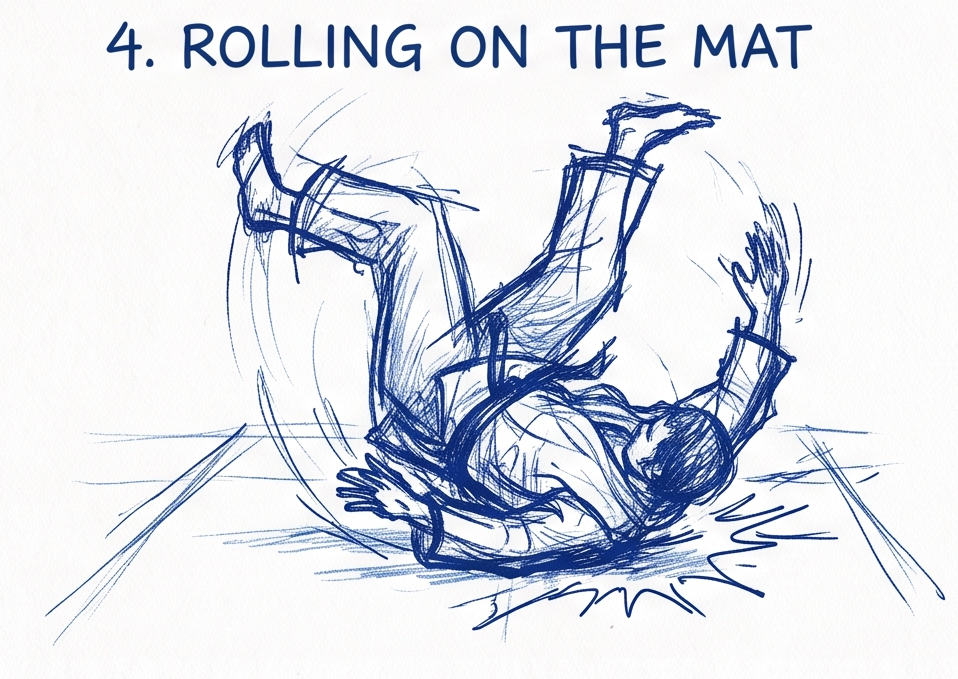
This backward rolling technique has you rolling over your shoulder and back, not just flopping over. The idea is to spread the impact out, so you don’t end up jamming your spine or knocking your head. There’s a lot more to it than just moving your body—positioning, body mechanics, and reading your training partner all matter if you want to pull off a safe breakfall.
Getting this ukemi down gives you the basics for safe training in everything from aikido to BJJ. Whether you’re blending with your partner’s flow or dealing with faster, more forceful throws, the backward roll is what keeps you safe and in the game. If you’re curious about how BJJ incorporates these concepts, check out bolojiujutsu.com for some real-world insights.
Technical Fundamentals and Core Principles
Koho kaiten ukemi is all about sharp body mechanics and mental focus. The backward roll protects you from getting hurt but also keeps you ready to move if your partner isn’t done yet. It’s a lot more active than it looks.
Understanding the Role of Ukemi
Ukemi is basically the art of falling without getting hurt. Literally, it means “receiving body.” You’re not just a crash test dummy here—you’re actively working with your partner, not against them.
As uke, you’re the one getting thrown (or swept, or whatever), but you’re still in control of your own safety. Protecting yourself is always the priority, even as you help your partner refine their technique.
There are three things you really need for ukemi:
- A body that can actually roll (flexibility helps… a lot)
- Awareness—where are you, where’s your partner?
- Decent judgment—when to go with it, when to resist
This isn’t just about falling when you’re told. If the throw doesn’t work, you don’t just flop over to make your partner look good.
Backward Rolling Technique Explained
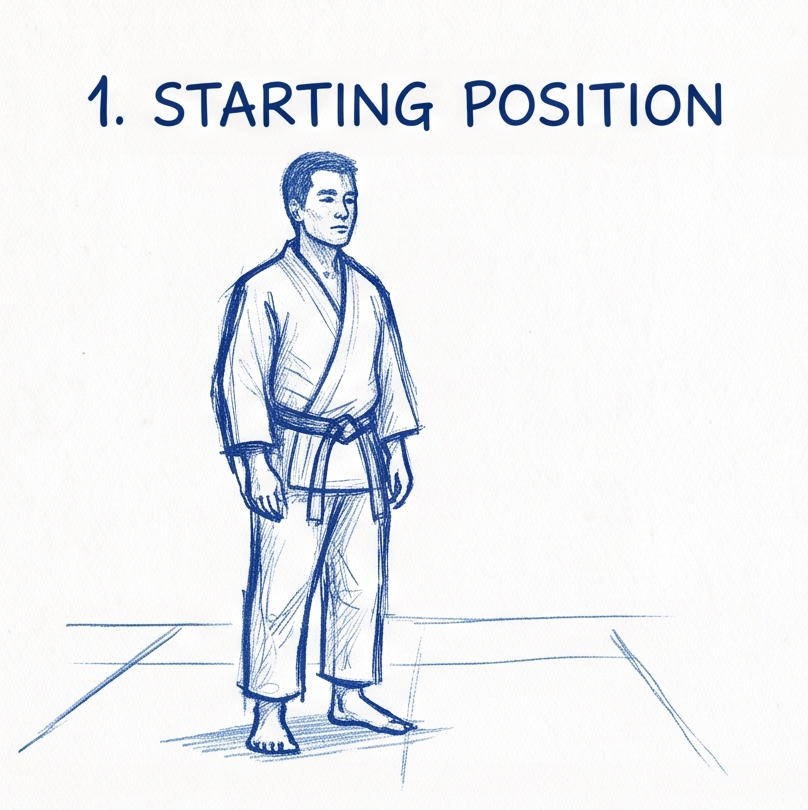
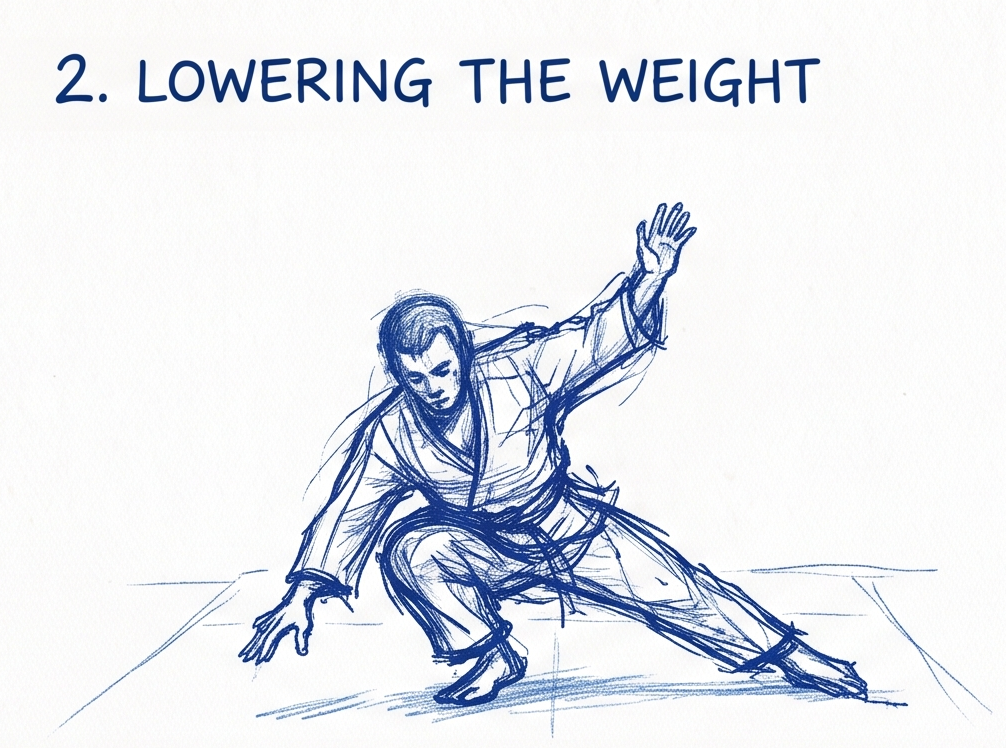
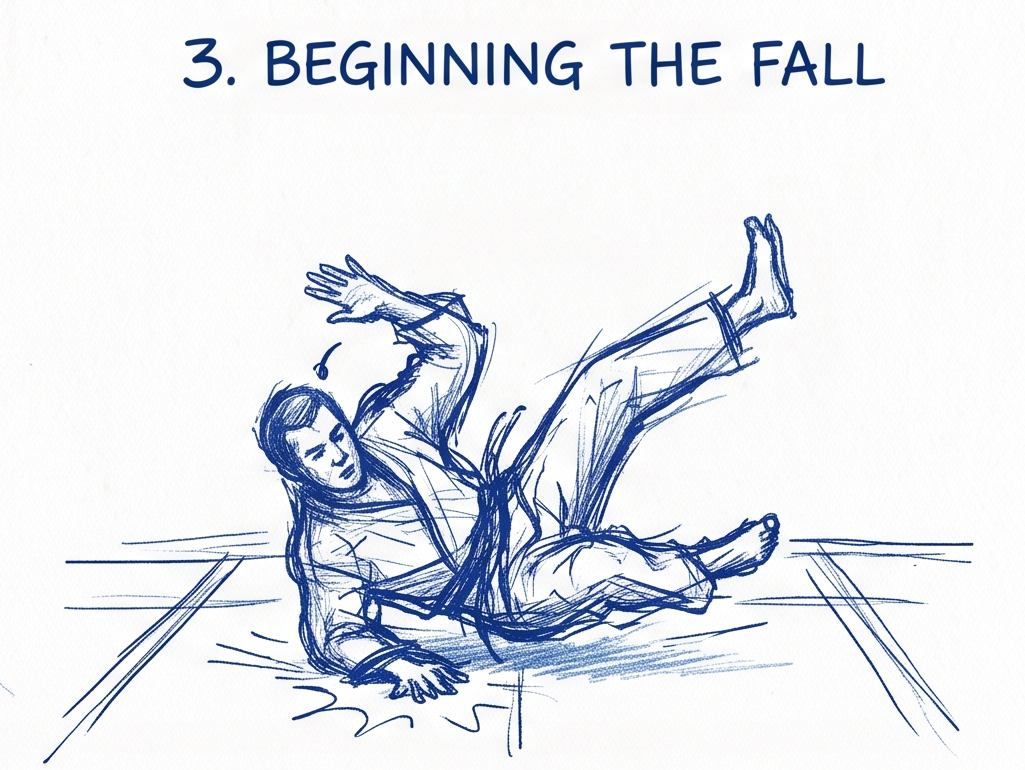
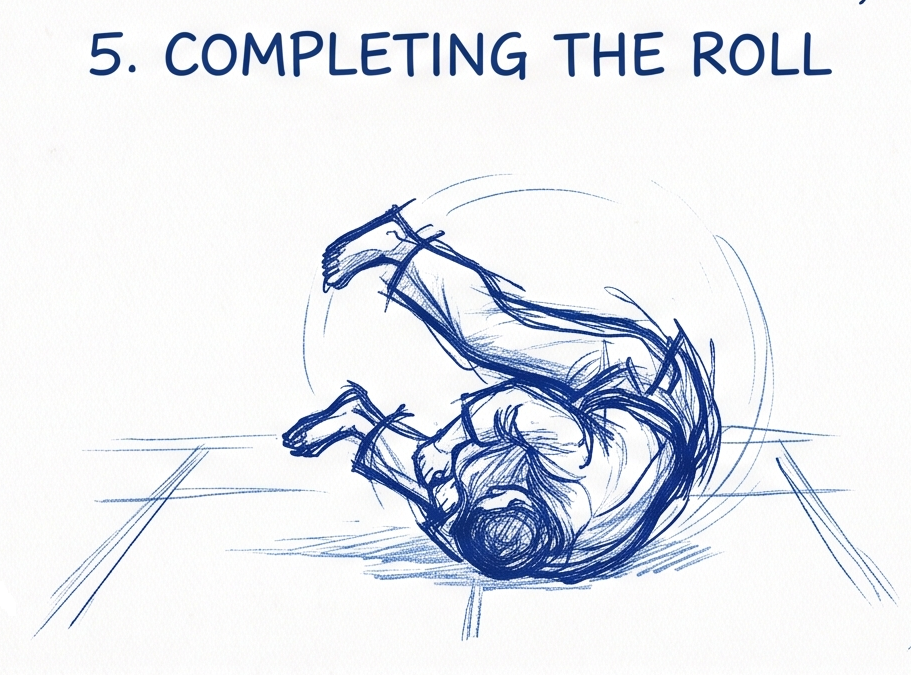
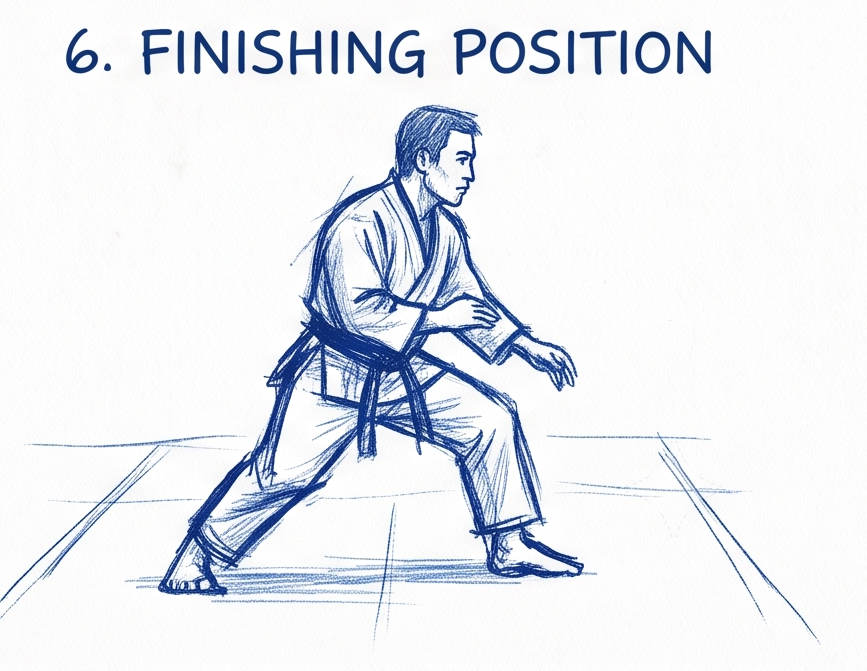
Here’s how I finally got koho kaiten to click: Step back with your outside leg (the one farther from your partner). Bend that knee, keep your foot flat. Lower your butt on the same side, then roll back over your inside shoulder—try to keep as much contact with the mat as you can. When you finish the roll, stand up in hanmi and face your partner, not just wherever you land.
Don’t mess up these basics:
- Don’t step back with your inside leg (closest to your partner)
- Don’t drop your knee before you start rolling
- Don’t roll forward and stand up right in front of your partner
Making those mistakes? You’ll end up in a bad spot—wide open for a strike, or just stuck. Kneeling right in front of someone is basically asking for trouble.
Key Safety and Conditioning Practices
Your legs are the secret to a smooth backward roll. Use your Achilles tendon and hamstrings to push off and get back up. It’s not all arms and shoulders like people sometimes think.
This springy power is what saves you when you’re thrown, and it helps you throw, too. Bending and stretching—that’s the magic. But honestly, it’s not something you can fake. I had to drill this every class, starting with the basics and not worrying about speed. If you’re just getting started, don’t rush it. Quality over quantity, every time.
Integrating Koho Kaiten Ukemi Across Martial Arts
Koho kaiten ukemi isn’t just an aikido thing. It’s a foundation that pops up all over the place—BJJ, for example, uses similar rolling concepts, though the context can be different. Each art tweaks the technique, but the core idea is the same: don’t get hurt, and stay in control.
Applications in Aikido and BJJ
In aikido, koho kaiten ukemi shows up constantly. So many techniques involve circular throws and joint locks that send you rolling backward. Aikido’s all about continuous, flowing motion, and backward rolls are a huge part of that.
When you train aikido, you’ll hit this technique over and over—throws like koshi nage almost demand it. The roll keeps your connection with your partner but protects your neck and back.
BJJ, on the other hand, isn’t as throw-heavy as judo or aikido, but the backward roll is still in the toolkit. You’ll see it in warmups, escapes, and sometimes when you get swept. The focus is a bit different, but the mechanics are pretty much the same. If you want a deeper dive into how BJJ adapts these principles, I highly recommend checking out this detailed article on bolojiujutsu.com: BJJ Breakfall Ukemi Guide.
Relationship with Other Ukemi Techniques
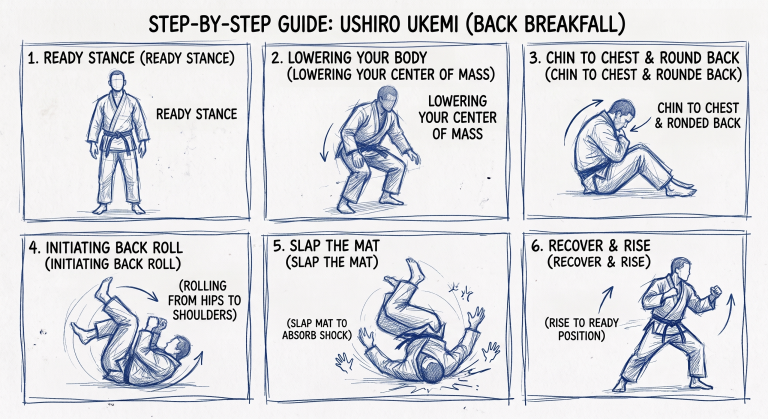
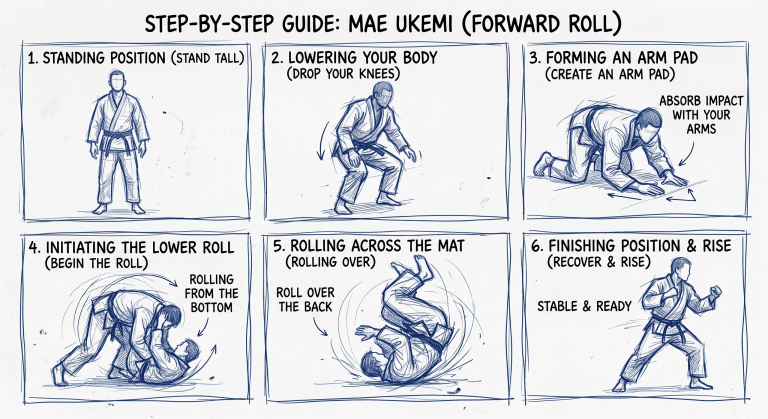
Koho kaiten ukemi is just one piece of the puzzle. There’s also zenpo kaiten (forward roll), mae ukemi (forward breakfall), ushiro ukemi (straight backward fall), and yoko ukemi (side fall). Each one covers a different angle or direction you might get thrown.
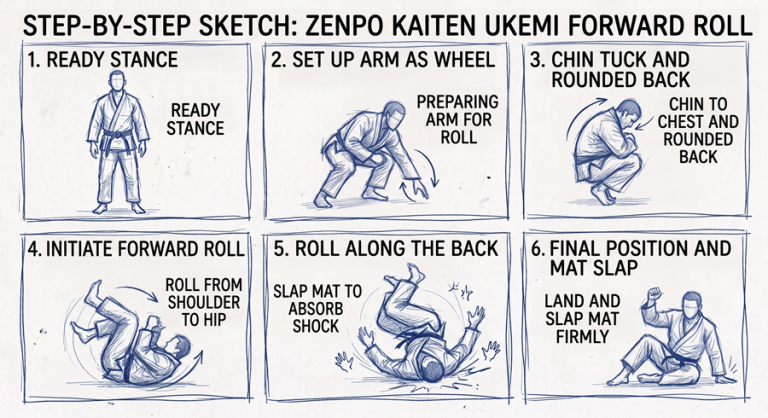
Forward and backward rolls are kind of mirror images. For zenpo kaiten, you step forward and roll over your shoulder. For koho kaiten, you step back and roll the other way. Mastering both means you’re ready for just about anything someone throws at you—literally.
Ukemi covers a whole range of rolling and falling options. Rolling techniques (kaiten) let you keep moving and flow with the attack. Static breakfalls (like mae or yoko ukemi) are for when there’s no space to roll and you need to just absorb the impact safely. If you want to stick with martial arts for the long haul, getting comfortable with all of these is non-negotiable.
Progression and Advanced Variations
Honestly, it took me about six months to really get the hang of koho kaiten ukemi. If you’re starting out, just sit down on the mat and try rocking backward—don’t worry if it feels awkward at first. You’ll want to notice that diagonal line across your back as you roll. This way, you’ll get a feel for it before anyone’s tossing you around.
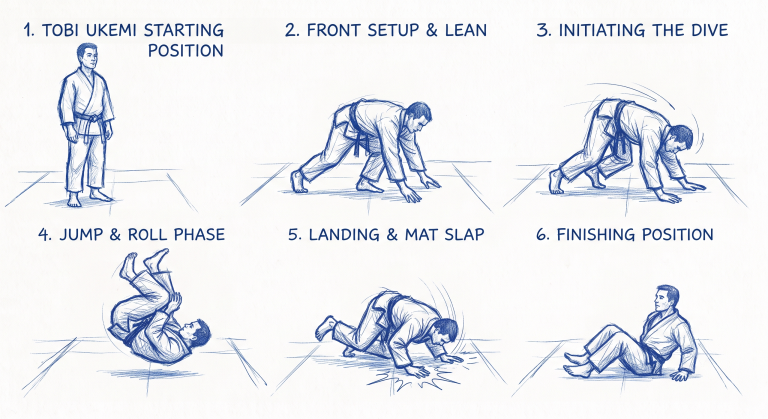
Once you’re comfortable, things pick up. You start working koho kaiten ukemi from throws that come at you faster and harder. There’s even this wild version called tobi ukemi—think flying breakfall—where you’re rolling with some real air and distance. Switching between migi (right) and hidari (left) rolls on the fly? That’s a whole new challenge, but honestly, it’s kind of fun once your body figures it out.
Eventually, you’ll try rolling without using your hands to break the fall. It sounds scary, but it forces you to trust your technique. Sometimes, you’ll add in standing up right after the roll, making sure you’re still at a safe distance from your training partner—super useful for sparring in BJJ. If you want to dive deeper, check out bolojiujutsu.com for more details and tips. There’s also a great article on breakfall progressions over there that really helped me out when I hit a plateau.