How Long Does It Take to Get a Black Belt in BJJ?
If you’re deep into Brazilian Jiu-Jitsu, you already know: getting a black belt is not a quick process. Most people need 10 to 15 years of steady training to reach BJJ black belt, and some surveys put the real average closer to 13.3 years. That’s a seriously long haul compared to most martial arts.
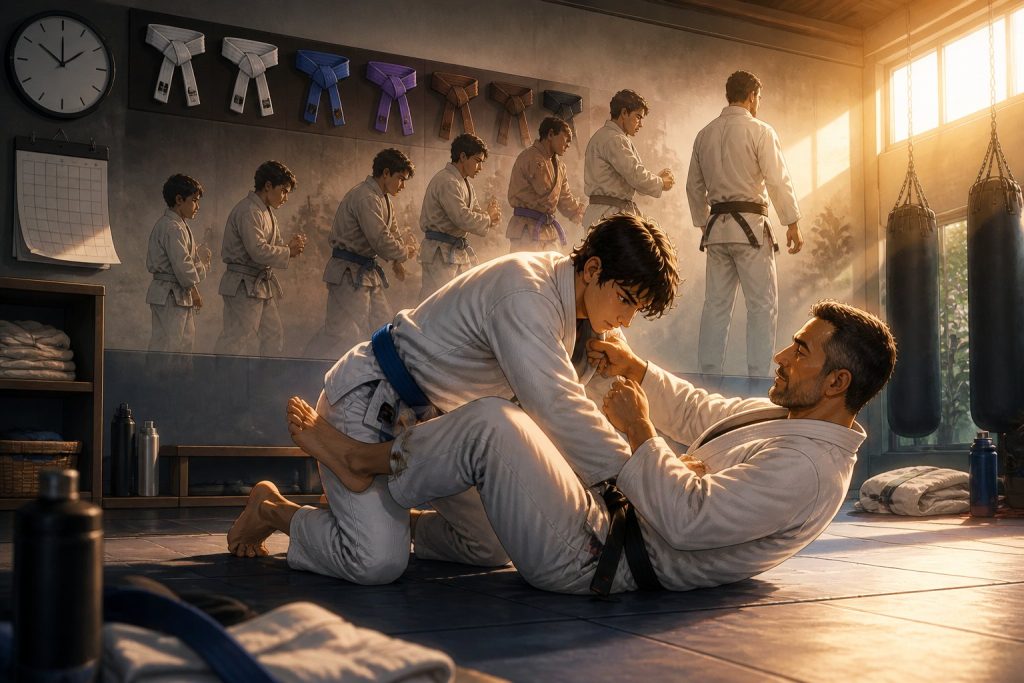
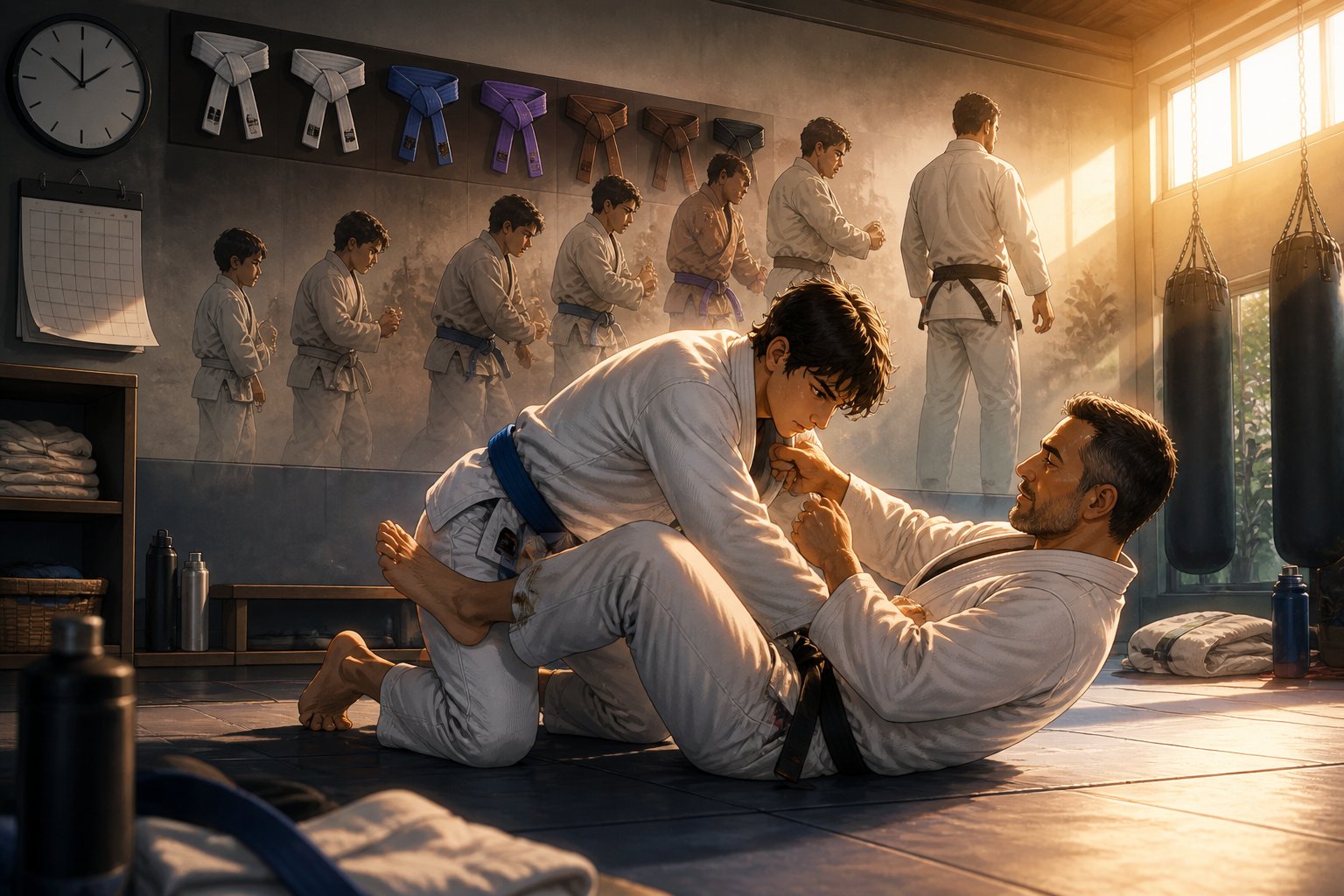
Everyone’s belt journey is a little different. How fast you move? That depends on your training frequency, your school’s vibe, maybe whether you compete, and honestly, how much life throws at you. Injuries, work, family, or just plain burnout can slow you down, even if you’re obsessed with BJJ.
I’ll break down the usual timeline for each belt, from white to blue, blue to purple, and so on. I’ll also talk about what speeds things up, what drags them out, and—since I know firsthand—why it’s not as simple as “just keep showing up.” For context: I took almost 14 years to reach black belt. Partly because I took my time, partly because life’s unpredictable. I hope sharing my own experience helps make this all feel a bit more real and trustworthy.
The Realistic Black Belt Timeline and Belt-by-Belt Path
Every rank in BJJ is a new test. It’s not just about collecting stripes; you have to prove you can handle yourself against someone who’s trying to stop you. And honestly, each jump gets tougher. Here’s how the path generally goes, from your first awkward shrimp at white belt to the rarefied air of black belt (and beyond, if you stick around long enough).
Typical Total Time: Why Most Students Take 8–12+ Years
Most of us end up spending 10 to 15 years before earning a BJJ black belt. The “10 years” figure you hear tossed around? That’s the low end, and it doesn’t factor in real life. I took nearly 14 years—mostly because I wasn’t in a rush, and sometimes life just happens.
Things like injuries, job changes, or having kids will stretch your timeline. If you can train 2–3 times a week, fairly consistently, you’ll probably finish closer to the lower end. If you’re on-and-off, or take big breaks, it’ll be longer. But honestly, the number of hours you put in matters more than the number of years. Most black belts I know have racked up somewhere between 2,400 and 3,000 hours on the mat before getting promoted. That’s a lot of sweat and laundry.
White Belt to Blue Belt: Building Fundamentals and Survival Skills
White belt is survival mode. You’re learning how not to panic, how to tap early, and how to escape from the bottom of the pile. Basic escapes, guard retention, falling safely—these are your bread and butter. Most people spend about two years here, sometimes longer. The “12 to 18 months” you hear? Maybe if you’re training constantly, but for most, it takes time. Lots of white belts drop out before blue, probably because it’s just plain tough at first.
White belt goals (in my experience):
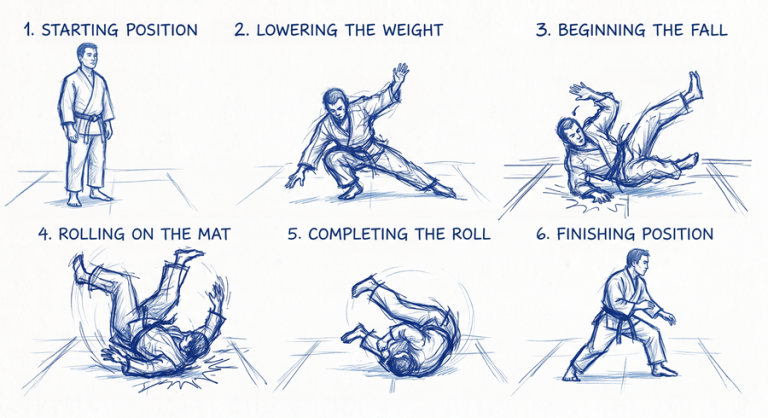
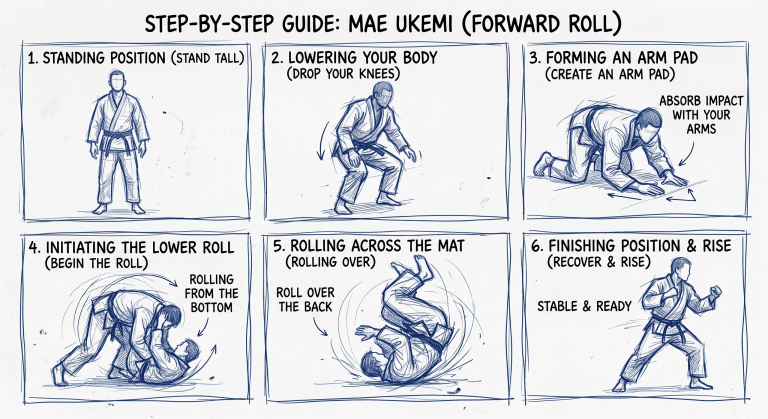
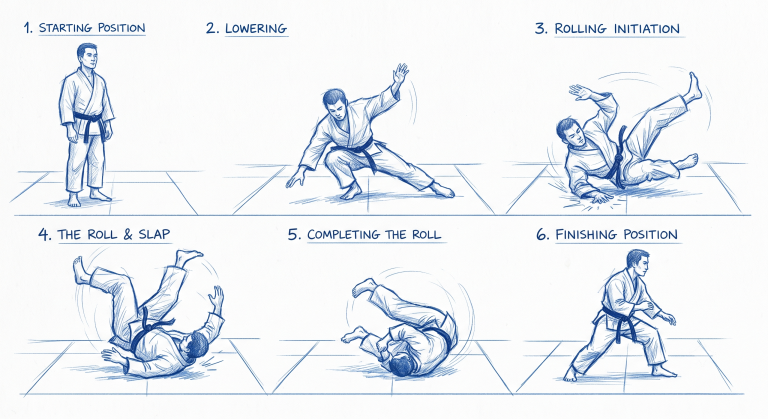
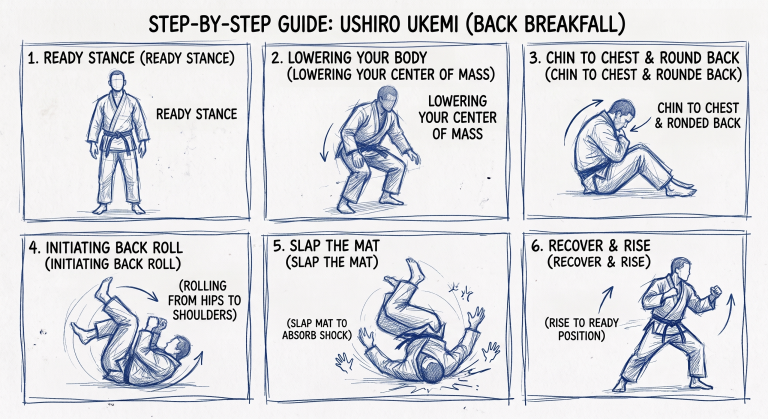
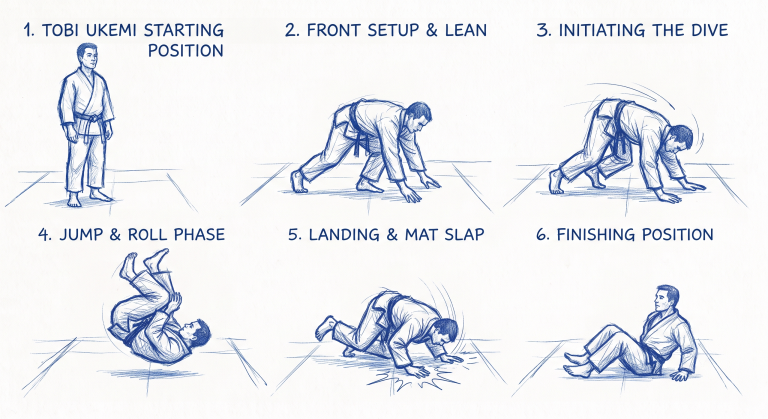
- Learn to fall and roll without hurting yourself
- Escape bad positions, even if it’s ugly
- Get used to being uncomfortable (it’s part of the deal)
- Show up, even when you feel like you’re not improving
Blue Belt to Purple Belt: Developing a Reliable Game
Blue belt is when you move from “just surviving” to actually building a game. You start connecting moves and figuring out what works for your body. This stage is usually three to four years—so you’re looking at five or six years total by the time you reach purple. Progress can feel slow here; a lot of people plateau at blue. That’s normal! It’s the stage where you build the foundation you’ll rely on forever.
Purple Belt to Brown Belt: Refinement, Strategy, and Teaching
Purple belt is where things get personal. You start to favor certain positions, and your style really takes shape. Most folks spend three to four years here, so by the time you’re brown, you’ve probably logged about nine years on the mats. Many gyms (mine included) start having purple belts help teach or mentor others, which honestly, forces you to really understand what you’re doing. Strategy matters more than ever—you’re thinking ahead, not just reacting.
Brown Belt to Black Belt: Demonstrated Mastery Under Resistance
Brown belt can be the longest stretch. Four years is common, but I’ve seen people stick here for even longer. (Joe Rogan famously spent eight years at brown, so you’re in good company if it takes a while.) At this point, your instructor is looking for mastery—can you control matches, adapt on the fly, and handle all comers? Promotion to black isn’t about passing a test; it’s about proving you’ve got it, day in and day out, against people really trying to stop you.
IBJJF Time-in-Rank Standards and What They Actually Mean
The IBJJF (International Brazilian Jiu-Jitsu Federation) sets minimum time requirements for each colored belt, mostly for competition. Here’s how it looks:
| Belt | Minimum Time Before Promotion |
|---|---|
| Blue Belt | 2 years |
| Purple Belt | 1.5 years |
| Brown Belt | 1 year |
| Black Belt | Minimum age 19 |
But these are minimums, not guarantees. If you’re not competing at a high level, you’ll probably spend more time at each belt. World champions can sometimes move up faster, but for the rest of us, these numbers are just the legal floor.
Why a BJJ Black Belt Is Not Earned by Time Alone
Logging hours doesn’t guarantee a black belt. Your coach wants to see you handle real resistance, not just show up. You need to be able to teach, defend yourself, and adapt to new challenges. That’s why two people who started on the same day can finish years apart. And those legendary red belts you hear about? That’s a whole different league—decades of experience, huge contributions to the sport. I’m still just happy to be part of the journey.
What Speeds Up or Delays BJJ Progression
There’s no one-size-fits-all answer for how fast you’ll get promoted. It’s not just about time spent on the mat; your habits, your coach, your background, and your life outside the gym all play a part. I’ve seen it firsthand, both in my own training and watching friends come and go.
Training Frequency, Mat Time, and Sustainable Consistency
How often you train? That’s huge. Two or three times a week, week after week, is way better than a month of daily training followed by a long break. But you don’t have to become a mat rat. Consistency beats intensity. Real progress is about showing up, even when you’re tired or busy. The hours add up, and your body learns to move without overthinking. Take big breaks, and it’ll take longer—even if you go hard when you’re there.
The Role of Coaching Standards and Your BJJ Gym
Gyms aren’t all the same. Some instructors promote slowly, demanding a lot before you move up. Others are more relaxed, especially in hobby-focused schools. Neither is right or wrong, but it does mean your black belt timeline depends a lot on where you train. Personally, I value coaches who track progress, give honest feedback, and push you to roll with tough partners. If you’re picking a gym, look for quality instruction—not just quick promotions. It pays off in the long run.
Athletic Background and Transferable Grappling Experience
If you’ve wrestled, done judo, or played other grappling sports, you’ll pick up BJJ faster. You already know how to balance, move, and control another person. Judokas, for example, breeze through the basics of falling and gripping. Wrestlers tend to dominate takedowns and top control early on. General fitness helps, but honestly, technique trumps athleticism in the long run. You can’t muscle your way to black belt forever.
Competition and Tournament Pressure
Competing accelerates your learning. There’s nothing like stepping onto the mat against someone you’ve never met, with adrenaline pumping and no safety net. Guys like BJ Penn made rapid progress partly because they competed a ton. Competition exposes holes in your game that regular training partners might miss. Not everyone needs to compete, but if you do, you’ll probably move up faster because you’re forced to level up under pressure.
Injuries, Layoffs, and Real-Life Commitments
Injuries are a major speed bump. A bad knee, back, or shoulder can sideline you for months—or longer. Life happens, too: work, family, money, all of it can slow your training. That’s normal. I’ve taken breaks myself, sometimes for months at a time. Joe Rogan talks about this a lot—everyone hits rough patches. The trick is coming back, not quitting for good.
Gi BJJ, No-Gi Grappling, and Submission Grappling Experience
If you train both gi and no-gi, you’ll be more well-rounded. Gi teaches grip fighting and control; no-gi is all about body positioning and speed. People with wrestling or catch wrestling backgrounds already understand things like pressure and scrambles, which helps a ton. If you only train one style, you might develop gaps. But honestly, dabbling in both keeps things interesting and makes you a better grappler overall.
Why Exceptional Fast-Track Promotions Are Rare
Some athletes with a solid grappling background do move through the belts a bit faster than most, but honestly, genuine fast-track cases? They’re pretty rare. From what I’ve seen (and yeah, I’ve been at this for nearly 14 years—admittedly, I took my time), most instructors still expect you to put in a certain amount of time at each belt, no matter how talented you are. That’s not just tradition—it’s about making sure you really earn it.
BJJ belts aren’t just about memorizing techniques. They’re supposed to show you can actually use that knowledge when someone is trying their hardest to stop you. It’s a different kind of test, and you can’t really fake your way through it.
Even folks who seem incredibly gifted usually spend years rolling live before their reflexes and decision-making get to the level a black belt demands. If you try to rush it, well, you’ll probably end up with some pretty noticeable gaps—especially when you hit tougher competitions or start teaching. That’s just how it goes.