Why Wear Rash Guard BJJ?
Why Wear Rash Guard BJJ? This question is something every grappler should consider before stepping onto the mats. I still remember my early days in Brazilian Jiu-Jitsu — I’ve been training for over five years now, and there was a time when I skipped wearing a rash guard. During one intense training session, my forearm scraped harshly against the mat, leaving my skin raw and stinging for days. That experience taught me the hard way just how important a rash guard is for both comfort and safety.
When you train in BJJ, your skin constantly rubs against mats and training partners. Sweat, friction, and close contact create real risks, from mat burn to common skin infections. You need gear that protects you without limiting movement.
You wear a rash guard in BJJ to protect your skin, improve hygiene, manage sweat, and support muscle performance during intense grappling. A quality BJJ rash guard fits close to your body, reduces friction, and wicks moisture away so you stay more comfortable through hard rounds.
Essential Benefits of Rash Guards in BJJ
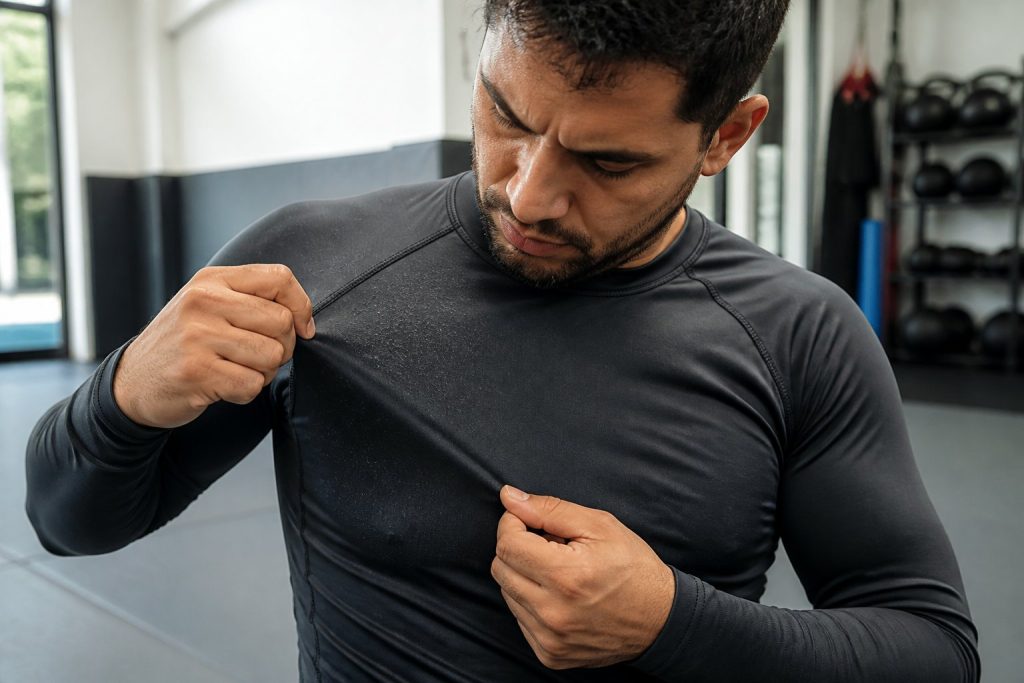
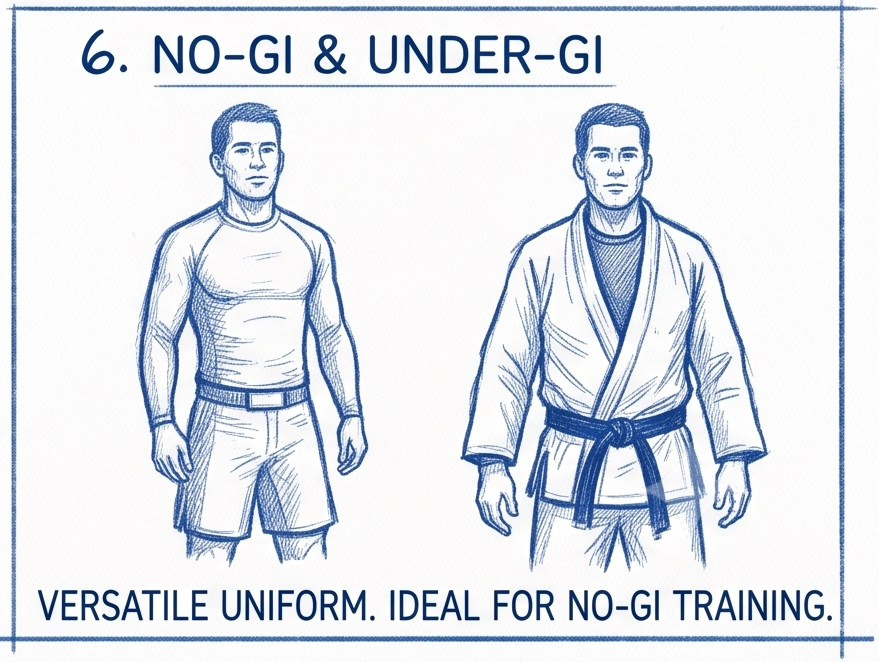
A BJJ rash guard protects your skin, reduces exposure to infections, supports muscle function, and manages sweat during hard rounds. You gain practical advantages in both gi and no-gi BJJ by adding this single layer of performance-focused fabric.
Skin Protection Against Mat Burn, Cuts, and Friction
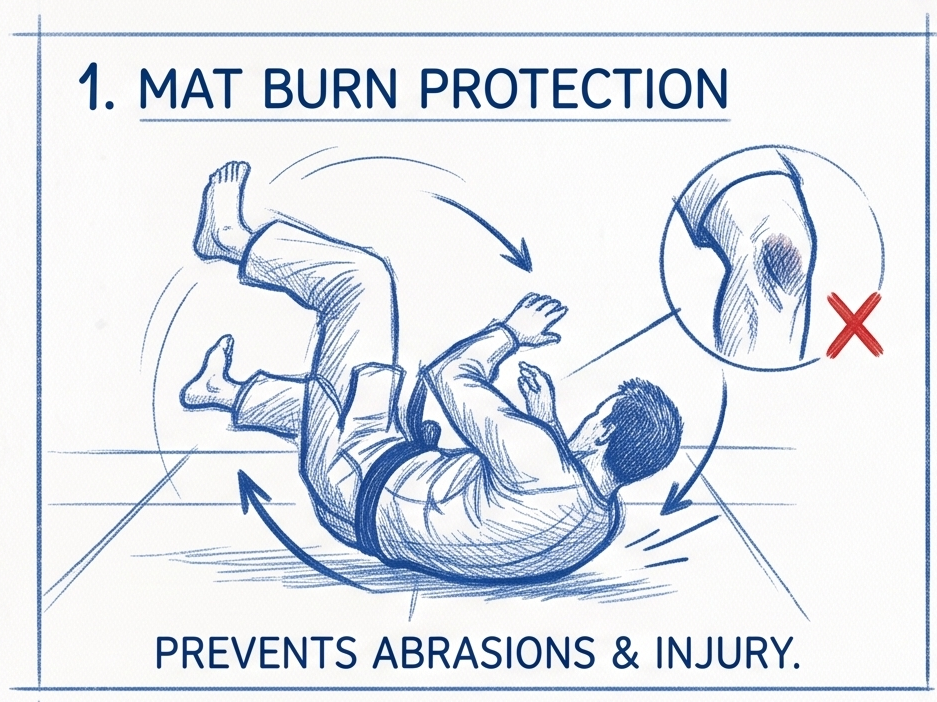
You spend much of your time sliding, posting, and scrambling on the mat. That constant contact creates friction burns, commonly called mat burns, especially on your elbows, shoulders, and knees.
A rash guard for BJJ acts as a physical barrier between your skin and the mat. The smooth, synthetic surface reduces direct skin-to-mat contact and improves friction reduction during movements like shrimping, guard retention, and sprawls.
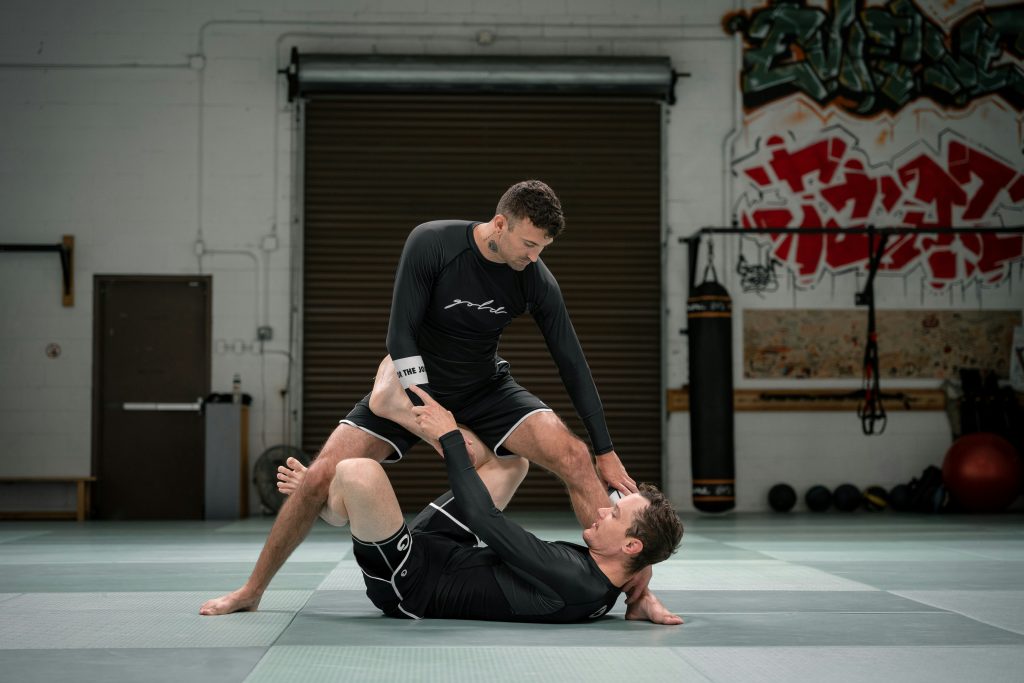
Without protection, repeated friction can lead to:
- Mat burns and raw skin
- Small cuts from nails or rough mat seams
- Irritation from gi fabric during grip fighting
Long-sleeve rash guards increase coverage and help prevent mat burn on your forearms and elbows. Even short-sleeve rashguards significantly reduce surface abrasion compared to bare skin during no-gi training. By limiting skin damage, you avoid open wounds that can interrupt training and increase infection risk.
Reducing the Risk of Skin Infections and Bacterial Exposure
Close contact defines no-gi BJJ. You regularly press against training partners and shared mats, which can carry bacteria and fungi if hygiene standards slip.
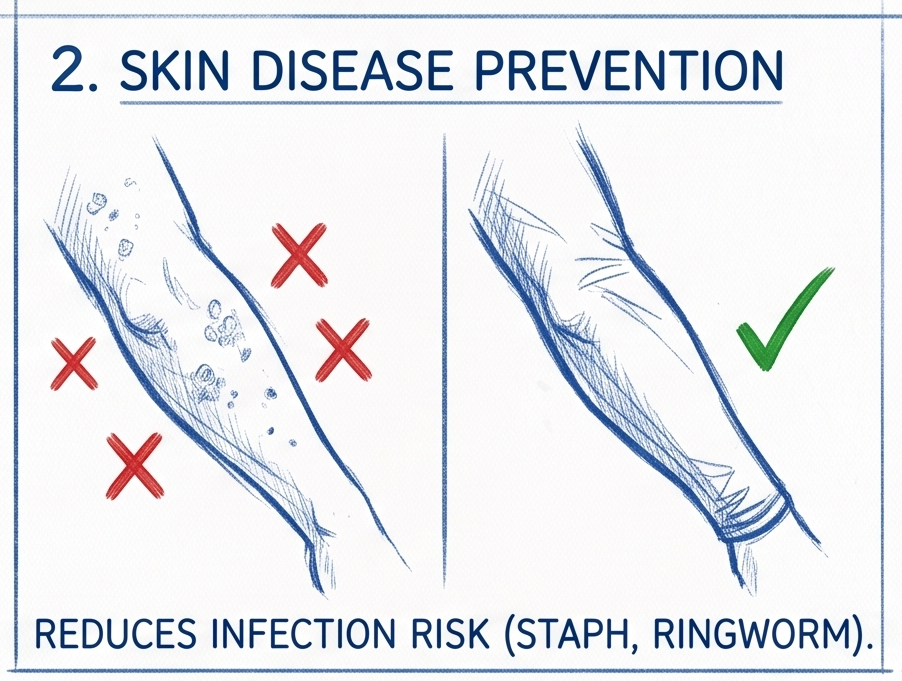
Common issues in grappling include:
- Ringworm (fungal infection spread by skin contact)
- Staph infection, including MRSA
- Impetigo and other bacterial skin conditions
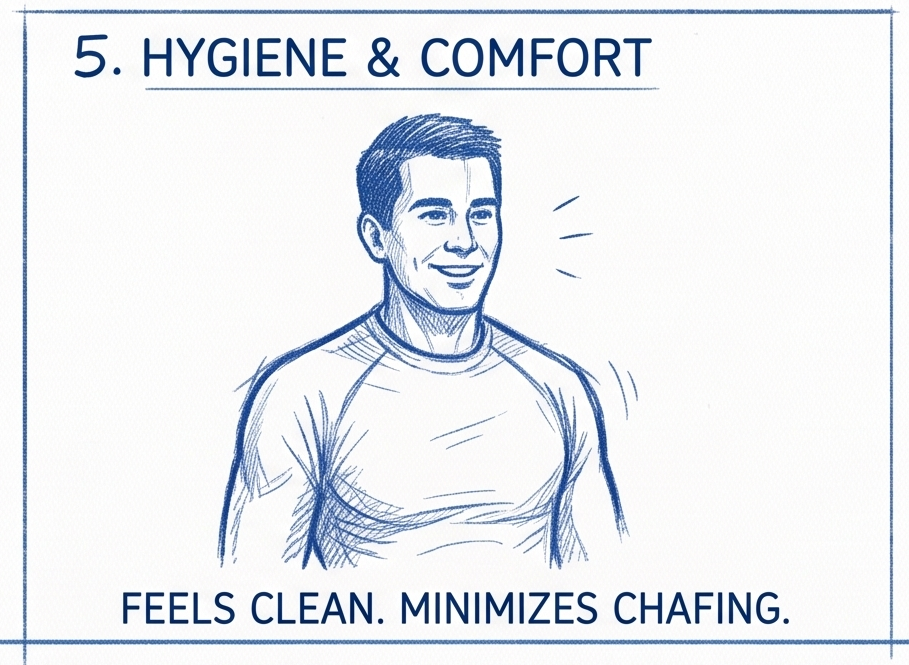
A BJJ rash guard supports hygiene by covering much of your torso and arms. This coverage reduces direct skin-to-skin contact and lowers the chance that bacteria enter through minor cuts or abrasions.
Many rash guards use moisture-wicking fabric with antimicrobial treatments. While not a guarantee against infection, these features help limit bacterial buildup on the garment itself.
You still need to shower promptly and wash your gear after every session. However, wearing rash guards consistently adds a clear layer of protection that helps prevent skin infections over the long term.
Muscle Support and Compression Advantages
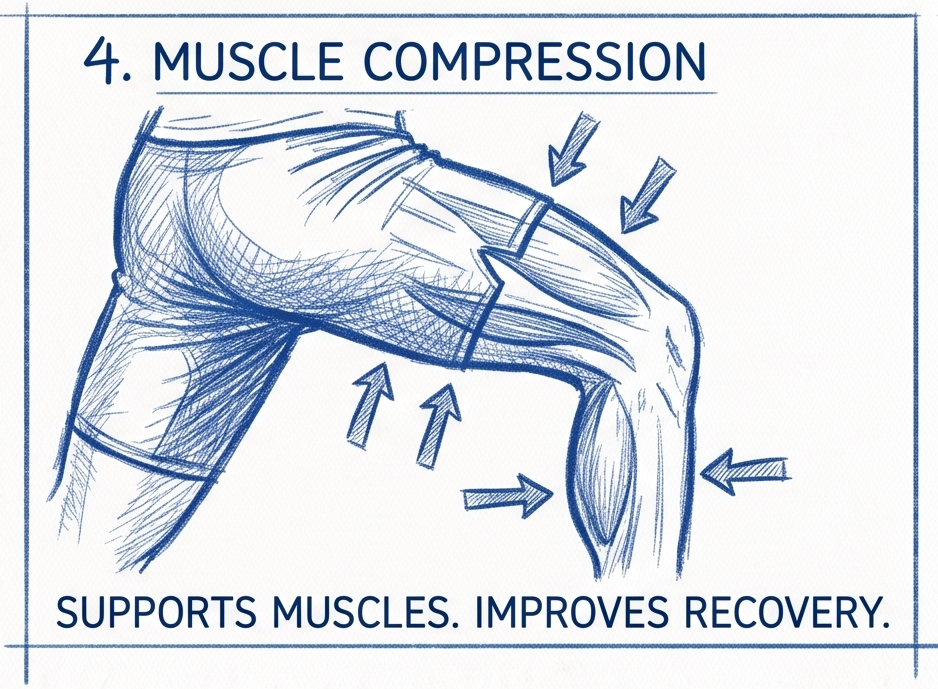
Most rash guards function as compression athletic shirts. The snug fit applies light, even pressure across your upper body.
- Improved body awareness during transitions
- Reduced muscle vibration during scrambles
- A stable, secure feel when grip fighting
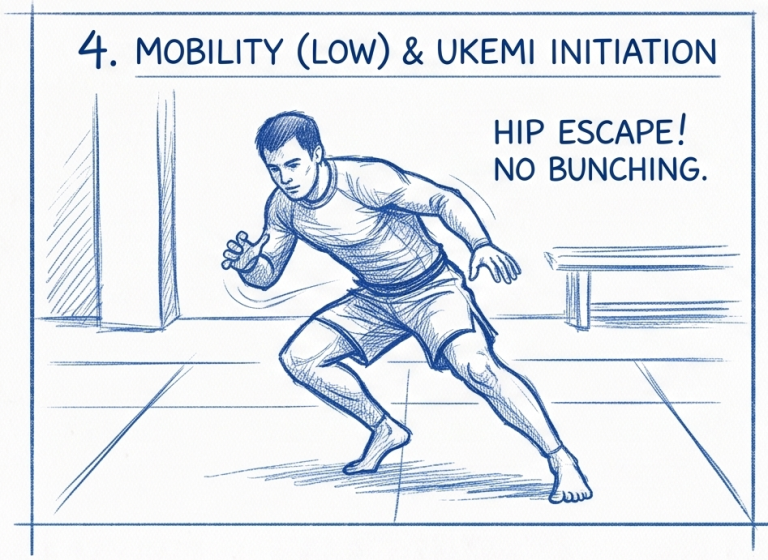
Enhanced circulation from compression can support oxygen delivery and waste removal in working muscles. In no-gi training, where grips rely on body control rather than fabric, a tight rash guard also prevents opponents from grabbing loose material. You move more freely without excess fabric bunching under your arms or across your shoulders.
Moisture Management and Comfort During Training
BJJ training produces heavy sweat, especially during back-to-back rounds. Standard cotton shirts absorb moisture and stay wet, increasing discomfort and skin irritation.
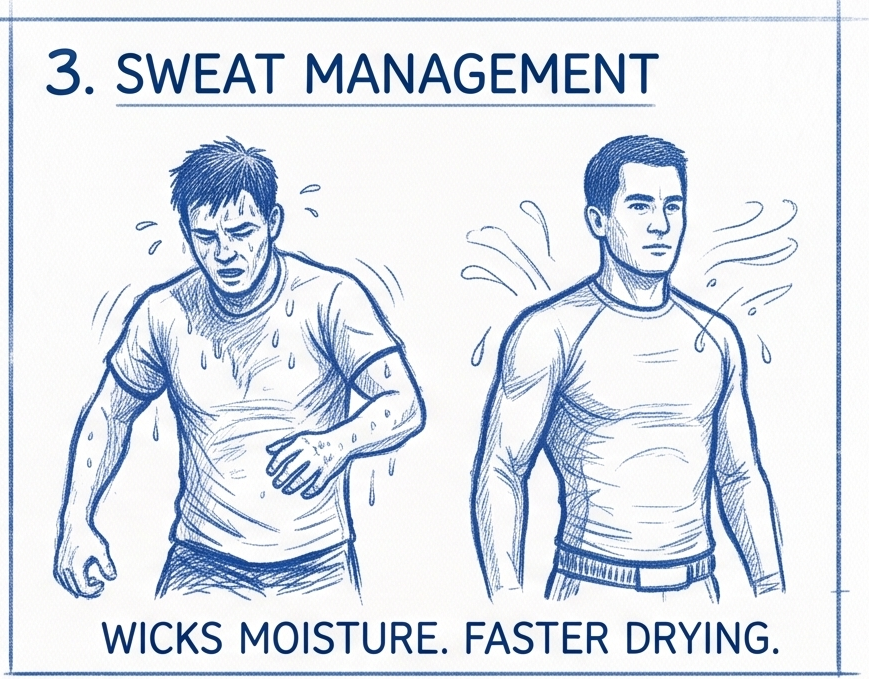
- Helping sweat evaporate more quickly
- Reducing fabric cling and chafing
- Keeping you more comfortable between rounds
Quick-drying materials also limit the damp environment that bacteria prefer. In hot gyms, this can make a noticeable difference in how your skin feels after class.
Choosing and Caring for BJJ Rash Guards
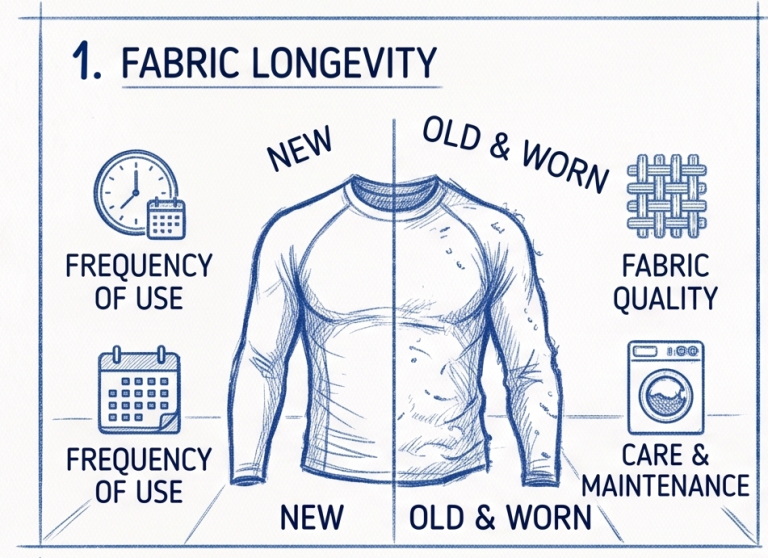
You protect your skin, improve comfort, and extend the life of your training gear when you choose the right rash guard and maintain it correctly. Fabric, construction, fit, and washing habits directly affect durability and performance on the mat.
Materials and Construction: What to Look For
Focus first on rash guard material. Most high-quality rash guards use a polyester-spandex blend because it balances stretch, durability, and moisture control.
Polyester moves sweat away from your skin and holds color well. Spandex adds elasticity so the shirt keeps its compression after repeated rolls.
Check the stitching next. Flatlock stitching and reinforced flatlock seams reduce chafing and handle constant pulling during scrambles. Poor seams fail before the fabric does.
Look for smooth, dense rash guard fabric that feels firm but flexible. Some models include antimicrobial treatment to slow odor buildup, which helps during frequent training cycles.
Avoid thin, loose compression tops marketed for general fitness. A gi rash guard or no-gi model should sit close to your body, resist pilling, and maintain shape after repeated washing.
Selecting the Right Fit and Design
Choose a fit that stays in place under pressure. A proper rash guard should feel snug across your chest and shoulders without limiting breathing.
If you train no-gi often, a long sleeve rash guard gives extra protection against mat burn and minor abrasions. Short sleeves offer more ventilation in hot gyms.
Use the brand’s size chart instead of guessing. Measure your chest and compare it to the listed range to avoid a top that rides up or bunches.
Consider rash guard design as well. Clean graphics and durable sublimated prints last longer than heavy surface prints that crack. If you want team branding, many brands offer custom rash guards with competition-legal layouts.
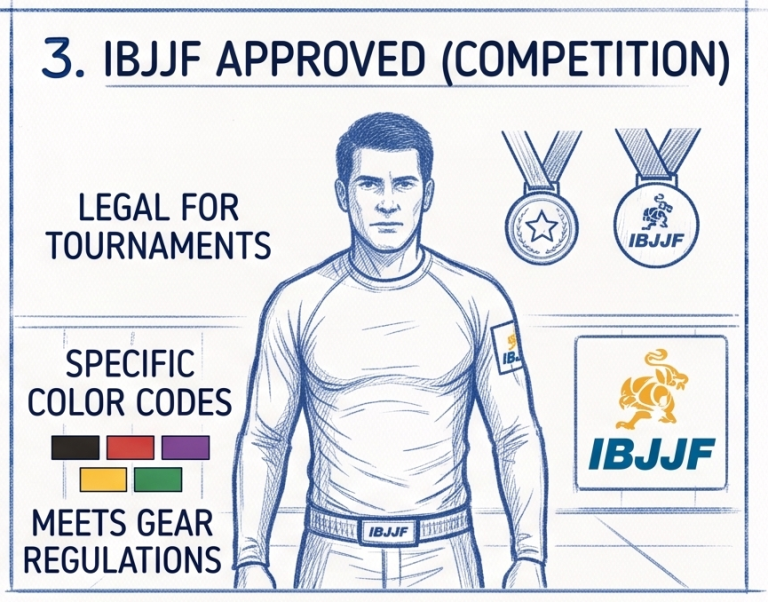
For tournaments, confirm that your rash guard meets rule requirements for color and sleeve length. The best BJJ rash guard for competition balances compliance, durability, and comfort. For more guidance, check out this article on the best rash guards for BJJ.
Proper Rash Guard Maintenance
Why Wear Rash Guard BJJ? After training BJJ for more than five years, I learned the hard way when the skin on my hands got injured during a session without a rash guard. Since then, I’ve never skipped wearing one. Taking care of your rash guard is just as important to ensure it lasts and continues to protect you on the mats. For more tips and quality gear, check out Bolo Jiu Jitsu.
Rinse your rash guard soon after training to remove sweat and bacteria. Wash it in cold water with mild detergent, avoiding bleach and fabric softeners that can damage elastic fibers.
Turn the garment inside out before washing to protect the outer design. Air dry on a hanger or lay it flat, as high heat from dryers can weaken spandex and distort the fit.
Store your rash guard completely dry. Folding it loosely helps prevent stress on seams and keeps your training gear ready for the next session. For recommendations on the best rash guards, visit this article.